›[พื้นฐาน]การรับรองเอกสารที่สถานทูต (embassy legalisation) คืออะไร?
คือขั้นตอนที่สถานเอกอัครราชทูตหรือสถานกงสุลของประเทศปลายทางซึ่งตั้งอยู่ในประเทศไทย ประทับตราหรือออกหนังสือรับรองว่าลายมือชื่อและตราประทับของเจ้าหน้าที่กรมการกงสุล กระทรวงการต่างประเทศไทย บนเอกสารนั้นเป็นของแท้ เพื่อให้หน่วยงานในประเทศของตนยอมรับเอกสาร ตามหน้าที่ทางกงสุลที่กำหนดไว้ในอนุสัญญากรุงเวียนนาว่าด้วยความสัมพันธ์ทางกงสุล ค.ศ. 1963 ข้อ 5(f) การรับรองชั้นนี้พิสูจน์เพียงความแท้ของลายมือชื่อและตราประทับ ไม่ได้รับรองความถูกต้องของเนื้อหา
›[พื้นฐาน]หลังไทยเข้าเป็นภาคี Apostille แล้ว ยังต้องรับรองที่สถานทูตอีกหรือไม่?
ขึ้นกับประเทศปลายทาง อนุสัญญา Apostille มีผลใช้บังคับกับประเทศไทยตั้งแต่ 2 ธันวาคม 2568 ถ้าประเทศปลายทางเป็นภาคีอนุสัญญาเดียวกันและไม่ได้คัดค้านการเข้าเป็นภาคีของไทย เอกสารที่ได้รับ Apostille จากกรมการกงสุลจะใช้ได้โดยไม่ต้องผ่านสถานทูตอีก แต่ถ้าประเทศปลายทางไม่ได้เป็นภาคี ยังต้องใช้เส้นทางเดิม คือรับรองนิติกรณ์ที่กรมการกงสุลแล้วนำไปรับรองต่อที่สถานทูตของประเทศนั้นในไทย โปรดตรวจสอบสถานะภาคีล่าสุดที่ hcch.net และประกาศของสถานทูตปลายทางก่อนดำเนินการทุกครั้ง
›[พื้นฐาน]จะรู้ได้อย่างไรว่าเอกสารของเราต้องใช้ Apostille หรือรับรองสถานทูต?
ตรวจสองอย่างประกอบกัน (1) สถานะการเป็นภาคีอนุสัญญา Apostille ของประเทศปลายทางจากตาราง status table ของ HCCH ที่ hcch.net และ (2) checklist หรือประกาศของหน่วยงานปลายทางที่จะรับเอกสาร เช่น สำนักทะเบียน มหาวิทยาลัย ศาล นายจ้าง หรือหน่วยงานตรวจคนเข้าเมือง เพราะแม้ประเทศจะเป็นภาคี หน่วยงานบางแห่งยังระบุรูปแบบคำแปลหรือเอกสารประกอบเพิ่มเติมของตนเอง หากไม่แน่ใจให้ส่งภาพเอกสารและชื่อหน่วยงานปลายทางมาให้เจ้าหน้าที่ตรวจสอบทางโทรศัพท์ LINE หรืออีเมล
›[ลำดับขั้น]ลำดับขั้นการรับรองเพื่อยื่นสถานทูตเป็นอย่างไร?
โดยทั่วไปสี่ขั้นเรียงกันและข้ามลำดับไม่ได้ (1) เตรียมเอกสารต้นฉบับหรือคู่ฉบับที่หน่วยงานผู้ออกเอกสารรับรอง เช่น สำนักทะเบียนสำหรับเอกสารทะเบียนราษฎร หรือสถานศึกษาสำหรับเอกสารการศึกษา (2) แปลเป็นภาษาที่ปลายทางกำหนด พร้อมคำรับรองคำแปล (3) ยื่นนิติกรณ์รับรองที่กองสัญชาติและนิติกรณ์ กรมการกงสุล กระทรวงการต่างประเทศ และ (4) นำเอกสารที่ผ่านนิติกรณ์แล้วไปรับรองต่อที่สถานทูตหรือสถานกงสุลของประเทศปลายทางในไทย สำหรับเอกสารเอกชน เช่น หนังสือมอบอำนาจหรือหนังสือรับรองที่บุคคลลงนามเอง มักต้องเพิ่มขั้นการรับรองลายมือชื่อโดยทนายความผู้ทำคำรับรองลายมือชื่อและเอกสารก่อนขั้นที่ (3)
›[ลำดับขั้น]ยื่นสถานทูตก่อนกรมการกงสุลได้หรือไม่?
ตามแนวปฏิบัติทั่วไปไม่ได้ เพราะสถานทูตปลายทางรับรองโดยเทียบลายมือชื่อและตราประทับของเจ้าหน้าที่กรมการกงสุลกับตัวอย่างลายมือชื่อที่ได้รับแจ้งไว้ ถ้าเอกสารยังไม่ผ่านนิติกรณ์ สถานทูตจะไม่มีลายมือชื่อที่เทียบได้และมักปฏิเสธ ข้อยกเว้นคือกรณีที่สถานทูตนั้นออกหรือรับรองเอกสารของตนเองโดยตรง เช่น หนังสือรับรองที่พลเมืองของประเทศนั้นลงนามต่อหน้าเจ้าหน้าที่กงสุล ซึ่งเป็นการรับรองในฐานะผู้ทำเอกสาร ไม่ใช่การรับรองต่อจากนิติกรณ์ไทย
›[ลำดับขั้น]เอกสารเอกชนกับเอกสารราชการมีเส้นทางต่างกันอย่างไร?
เอกสารราชการไทย เช่น สูติบัตร ทะเบียนบ้าน ใบสำคัญการสมรส หนังสือรับรองความประพฤติ หรือเอกสารจากกรมพัฒนาธุรกิจการค้า มีตราประทับและลายมือชื่อเจ้าหน้าที่รัฐอยู่แล้ว จึงยื่นนิติกรณ์ได้โดยตรง ส่วนเอกสารเอกชน เช่น หนังสือมอบอำนาจ สัญญา หนังสือรับรองของบริษัทที่กรรมการลงนามเอง ใบรับรองแพทย์จากโรงพยาบาลเอกชน หรือหนังสือรับรองรายได้จากนายจ้าง เป็นเอกสารที่ไม่มีลายมือชื่อเจ้าหน้าที่รัฐ จึงต้องผ่านการรับรองลายมือชื่อโดยทนายความผู้ทำคำรับรองลายมือชื่อและเอกสารที่ขึ้นทะเบียนกับสภาทนายความก่อน เพื่อสร้างจุดเชื่อมให้กรมการกงสุลรับรองต่อได้
›[คำแปล]สถานทูตกำหนดให้แปลเป็นภาษาอะไร?
แตกต่างกันตามแต่ละสถานทูต บางแห่งรับคำแปลภาษาอังกฤษ บางแห่งบังคับให้แปลเป็นภาษาราชการของประเทศตน เช่น จีน ญี่ปุ่น เกาหลี เยอรมัน ฝรั่งเศส สเปน อิตาลี รัสเซีย หรืออาหรับ และบางแห่งกำหนดให้ใช้นักแปลหรือสำนักแปลที่สถานทูตยอมรับหรืออยู่ในรายชื่อที่ประกาศไว้ จึงควรตรวจประกาศบนเว็บไซต์ของสถานทูตปลายทางก่อนเริ่มแปล เพราะการแปลผิดภาษาหรือผิดรูปแบบทำให้ต้องเริ่มกระบวนการใหม่ทั้งชุด
›[คำแปล]กรมการกงสุลรับรองคำแปลภาษาที่สามหรือไม่?
งานนิติกรณ์ของกรมการกงสุลเน้นการรับรองคำแปลระหว่างภาษาไทยกับภาษาอังกฤษเป็นหลัก สำหรับภาษาที่สาม แนวปฏิบัติที่พบบ่อยคือแปลไทยเป็นอังกฤษและรับรองที่กรมการกงสุลก่อน แล้วจึงแปลจากอังกฤษเป็นภาษาปลายทางและให้สถานทูตของประเทศนั้นรับรองคำแปลตามเงื่อนไขของตน หรือแปลตรงเป็นภาษาปลายทางโดยนักแปลที่สถานทูตยอมรับแล้วให้สถานทูตรับรอง เงื่อนไขนี้ต่างกันในแต่ละประเทศ กรุณาตรวจสอบกับ consular.mfa.go.th และสถานทูตปลายทางก่อนดำเนินการ
›[คำแปล]การสะกดชื่อในคำแปลสำคัญอย่างไร?
สำคัญมาก ชื่อ-นามสกุลในคำแปลต้องสะกดตรงกับหนังสือเดินทางตัวอักษรต่อตัวอักษร รวมถึงคำนำหน้าและลำดับชื่อ ถ้าเคยเปลี่ยนชื่อหรือนามสกุลควรแนบหนังสือสำคัญการเปลี่ยนชื่อที่แปลและรับรองแล้วประกอบด้วย เพราะหน่วยงานปลายทางจะจับคู่เอกสารด้วยชื่อ ไม่ใช่ด้วยรูปถ่าย นอกจากนี้ควรระวังการทับศัพท์ชื่อสถานที่ ชื่อหน่วยงาน เลขที่เอกสาร วันที่ และข้อความในตราประทับ ซึ่งต้องแปลครบทุกส่วนไม่ให้ตกหล่น
›[ทนายความ]ทนายความผู้ทำคำรับรองลายมือชื่อและเอกสารช่วยอะไรในเส้นทางสถานทูต?
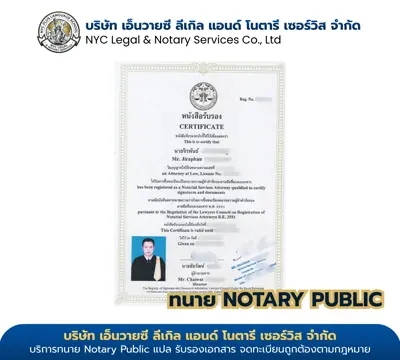
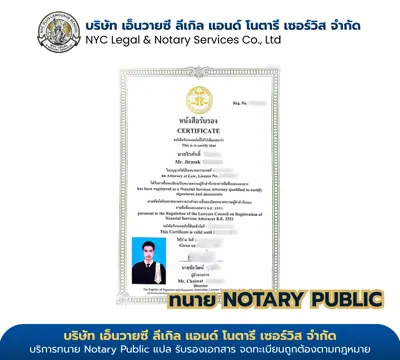
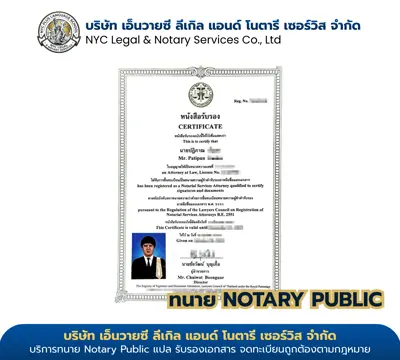
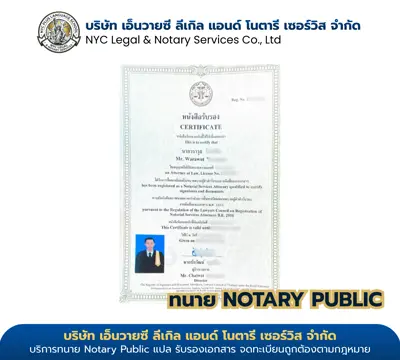
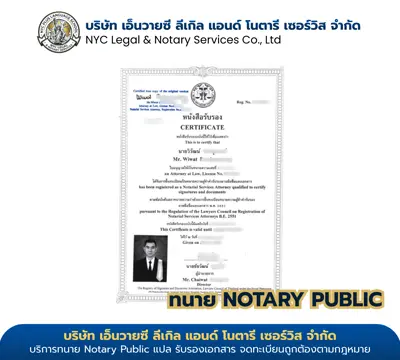
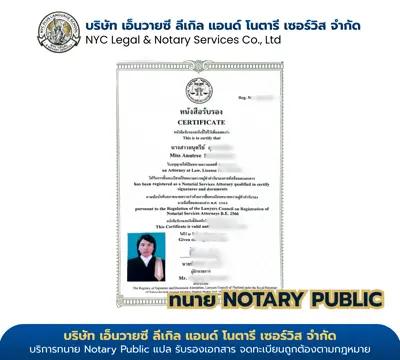
ทำหน้าที่รับรองลายมือชื่อของผู้ลงนามที่ลงนามต่อหน้า รับรองสำเนาถูกต้องตรงตามต้นฉบับที่นำมาแสดง รับรองคำสาบานหรือคำแถลงในเอกสารประเภท affidavit หรือ statutory declaration และรับรองความมีอยู่ของเอกสาร ตามข้อบังคับสภาทนายความว่าด้วยการขึ้นทะเบียนทนายความผู้ทำคำรับรองลายมือชื่อและเอกสาร ขั้นนี้ทำให้เอกสารเอกชนมีลายมือชื่อผู้มีอำนาจรับรองซึ่งกรมการกงสุลตรวจสอบต่อได้ ประเทศไทยไม่มีระบบ civil-law notary จึงควรใช้คำเรียกว่า notarial services attorney ในเอกสารภาษาอังกฤษ
›[ทนายความ]ตรวจสอบว่าทนายความมีอำนาจทำคำรับรองจริงได้อย่างไร?
ขอดูหนังสือรับรองการขึ้นทะเบียนเป็นทนายความผู้ทำคำรับรองลายมือชื่อและเอกสาร พร้อมเลขที่ใบอนุญาตทนายความ และตรวจสอบสถานะกับสภาทนายความในพระบรมราชูปถัมภ์ (lawyerscouncil.or.th) ควรตรวจก่อนลงนามทุกครั้ง เพราะหากผู้รับรองไม่มีอำนาจตามข้อบังคับ กรมการกงสุลและสถานทูตปลายทางอาจปฏิเสธเอกสารทั้งชุด และค่าใช้จ่ายในการทำใหม่ตกเป็นภาระของผู้ยื่น
›[การนัดหมาย]ต้องนัดหมายล่วงหน้ากับสถานทูตหรือไม่?
สถานทูตและสถานกงสุลหลายแห่งในประเทศไทยเปิดรับงานรับรองเอกสารเฉพาะช่วงเวลาที่ประกาศไว้ และบางแห่งกำหนดให้จองคิวออนไลน์ล่วงหน้าหรือยื่นผ่านศูนย์รับคำร้องที่ได้รับมอบหมาย เงื่อนไขเปลี่ยนแปลงได้และมีวันหยุดตามปฏิทินของประเทศนั้นเพิ่มจากวันหยุดไทย จึงควรตรวจเว็บไซต์ทางการของสถานทูตปลายทางก่อนเดินทางไปยื่นทุกครั้ง ทีมงานสามารถช่วยตรวจประกาศล่าสุดและวางลำดับเวลาให้ได้
›[การนัดหมาย]ให้คนอื่นยื่นเอกสารแทนได้หรือไม่?
หลายกรณีทำได้ แต่เงื่อนไขต่างกัน สถานทูตบางแห่งรับเฉพาะเจ้าตัวหรือผู้ถือหนังสือเดินทางของประเทศนั้น บางแห่งรับผู้รับมอบอำนาจที่มีหนังสือมอบอำนาจพร้อมสำเนาบัตรประจำตัวของผู้มอบและผู้รับมอบ และบางแห่งรับเฉพาะผู้แทนนิติบุคคลที่ลงทะเบียนไว้ สำหรับงานนิติกรณ์ที่กรมการกงสุล การยื่นแทนโดยผู้รับมอบอำนาจเป็นแนวปฏิบัติที่ใช้กันทั่วไป กรุณาสอบถามรายละเอียดกับเจ้าหน้าที่ก่อนเตรียมหนังสือมอบอำนาจ
›[เอกสารต่างประเทศ]เอกสารที่ออกในต่างประเทศจะนำมาใช้ในไทยต้องทำอย่างไร?
ทิศทางขาเข้า (inbound) โดยทั่วไปคือ (1) ให้หน่วยงานที่มีอำนาจในประเทศต้นทางรับรองเอกสาร ถ้าประเทศนั้นเป็นภาคีอนุสัญญาก็ขอ Apostille จาก competent authority ของประเทศนั้น ถ้าไม่ใช่ภาคีก็ผ่านกระทรวงการต่างประเทศของประเทศนั้นแล้วรับรองต่อที่สถานเอกอัครราชทูตหรือสถานกงสุลใหญ่ไทยในประเทศนั้น (2) แปลเป็นภาษาไทยหรืออังกฤษตามที่หน่วยงานไทยปลายทางกำหนด และ (3) ยื่นนิติกรณ์รับรองคำแปลที่กองสัญชาติและนิติกรณ์ กรมการกงสุล ก่อนนำไปใช้กับสำนักทะเบียน ศาล หรือหน่วยงานไทยที่เกี่ยวข้อง
›[เอกสารต่างประเทศ]สถานเอกอัครราชทูตไทยในต่างประเทศรับรองอะไรได้บ้าง?
โดยทั่วไปให้บริการงานกงสุลแก่คนไทยและผู้ที่ต้องใช้เอกสารกับหน่วยงานไทย เช่น รับรองลายมือชื่อผู้ลงนามที่ลงนามต่อหน้าเจ้าหน้าที่กงสุล รับรองสำเนาเอกสาร รับรองเอกสารที่ผ่านการรับรองจากหน่วยงานของประเทศที่ตั้งอยู่แล้ว และงานทะเบียนราษฎรบางประเภทตามอำนาจที่กฎหมายไทยกำหนด ขอบเขตบริการ ค่าธรรมเนียม เวลาทำการ และการนัดหมายต่างกันในแต่ละแห่ง ให้ตรวจเว็บไซต์ของสถานเอกอัครราชทูตหรือสถานกงสุลใหญ่นั้นโดยตรงก่อนยื่น
›[ประเภทเอกสาร]เอกสารประเภทใดที่มักต้องรับรองสถานทูตมากที่สุด?
กลุ่มที่พบบ่อยคือ (1) ทะเบียนราษฎรและสถานะบุคคล ได้แก่ สูติบัตร ทะเบียนบ้าน บัตรประจำตัวประชาชน ใบสำคัญการสมรส ใบสำคัญการหย่า หนังสือรับรองความเป็นโสด และมรณบัตร (2) การศึกษา ได้แก่ ปริญญาบัตร ทรานสคริปต์ และหนังสือรับรองสถานภาพนักศึกษา (3) นิติบุคคลและการค้า ได้แก่ หนังสือรับรองบริษัท บัญชีรายชื่อผู้ถือหุ้น หนังสือมอบอำนาจ ใบกำกับสินค้า และหนังสือรับรองแหล่งกำเนิดสินค้า (4) การแพทย์และประกัน และ (5) หนังสือรับรองความประพฤติจากสำนักงานตำรวจแห่งชาติ
›[ประเภทเอกสาร]เอกสารการค้าและใบกำกับสินค้าใช้เส้นทางเดียวกันหรือไม่?
คล้ายกันแต่มีจุดต่าง เอกสารการค้าหลายประเภท เช่น หนังสือรับรองแหล่งกำเนิดสินค้าและใบกำกับสินค้า มักผ่านการรับรองของหอการค้าหรือหน่วยงานที่ได้รับมอบหมายก่อน แล้วจึงเข้าสู่ขั้นนิติกรณ์และการรับรองของสถานทูตปลายทางหากประเทศนั้นกำหนด บางประเทศกำหนดให้รับรองผ่านหอการค้าของประเทศตนในไทยเพิ่มอีกชั้น เงื่อนไขขึ้นกับประเภทสินค้าและประเทศผู้นำเข้า ควรตรวจกับผู้ซื้อและธนาคารผู้เปิด L/C ควบคู่กับประกาศของสถานทูต
›[ข้อผิดพลาด]สาเหตุที่สถานทูตปฏิเสธเอกสารมีอะไรบ้าง?
ที่พบบ่อยคือ ยังไม่ผ่านนิติกรณ์ของกรมการกงสุล คำแปลผิดภาษาหรือผิดรูปแบบที่ประกาศไว้ สะกดชื่อไม่ตรงหนังสือเดินทาง แปลข้อความในตราประทับไม่ครบ ใช้สำเนาที่ไม่ได้รับรองแทนต้นฉบับ เอกสารเก่าเกินกรอบเวลาที่ปลายทางยอมรับ ลายมือชื่อผู้ลงนามไม่ตรงกับที่รับรองไว้ เย็บเล่มหรือลำดับหน้าถูกแยกจากคำรับรอง เอกสารมีรอยแก้ไขขูดลบ และการยื่นโดยผู้ไม่มีอำนาจตามเงื่อนไขของสถานทูตนั้น
›[ข้อผิดพลาด]ถ้าเอกสารถูกปฏิเสธต้องเริ่มใหม่ทั้งหมดหรือไม่?
ไม่จำเป็นทุกกรณี ขึ้นกับว่าปัญหาอยู่ขั้นไหน หากปัญหาอยู่ที่คำแปลอย่างเดียวและต้นฉบับยังใช้ได้ อาจแก้เฉพาะคำแปลแล้วยื่นนิติกรณ์ใหม่ในส่วนคำแปล แต่ถ้าปัญหาอยู่ที่ต้นฉบับ เช่น ใช้สำเนาที่ไม่ได้รับรอง หรือเอกสารหมดอายุการยอมรับ ต้องขอเอกสารใหม่จากหน่วยงานผู้ออกและเดินลำดับขั้นใหม่ทั้งชุด แนวทางที่ประหยัดที่สุดคือส่งภาพเอกสารและ checklist ของปลายทางให้ตรวจก่อนเริ่ม เพื่อจัดลำดับให้ถูกตั้งแต่ครั้งแรก
›[ระยะเวลา]ทั้งกระบวนการใช้เวลานานเท่าไร?
ระยะเวลารวมเป็นผลของหลายคิวต่อกัน คือคิวขอเอกสารต้นฉบับจากหน่วยงานผู้ออก เวลาแปลและตรวจทาน คิวนัดหมายและรอบรับรองของทนายความ คิวงานนิติกรณ์ของกรมการกงสุล และคิวรับรองของสถานทูตปลายทาง ซึ่งแต่ละแห่งประกาศกรอบเวลาต่างกันและปรับตามปริมาณงานและวันหยุด เราจึงไม่ระบุจำนวนวันตายตัวในหน้านี้ แนวปฏิบัติที่ปลอดภัยคือเผื่อเวลาให้มากกว่ากำหนดยื่นของปลายทาง และสอบถามกรอบเวลาปัจจุบันกับเจ้าหน้าที่ทางโทรศัพท์ LINE หรืออีเมล
›[ระยะเวลา]มีบริการเร่งด่วนหรือไม่?
ขั้นที่เราดำเนินการเอง เช่น การแปลและการจัดคิวเดินเอกสาร สามารถจัดลำดับให้เร็วที่สุดตามคิวที่ว่างได้ แต่ขั้นที่เป็นอำนาจของหน่วยงานราชการและสถานทูตขึ้นกับรอบบริการและช่องทางที่หน่วยงานนั้นเปิดให้ ซึ่งบางแห่งมีช่องทางด่วนและบางแห่งไม่มี เราไม่รับประกันกรอบเวลาของหน่วยงานภายนอกและไม่รับประกันผลการพิจารณา กรุณาแจ้งกำหนดยื่นจริงกับเจ้าหน้าที่เพื่อวางแผนย้อนกลับจากวันนัดของปลายทาง
›[อายุเอกสาร]เอกสารที่รับรองแล้วใช้ได้นานเท่าไร?
ตราสำคัญของนิติกรณ์และ Apostille ไม่ได้กำหนดวันหมดอายุในตัวเอง แต่หน่วยงานปลายทางมักกำหนดกรอบความใหม่ของเอกสารเอง เช่น หนังสือรับรองความเป็นโสด หนังสือรับรองความประพฤติ เอกสารทางการเงิน และใบรับรองแพทย์ มักถูกกำหนดให้ออกใหม่ภายในกรอบเวลาที่ปลายทางระบุ ดังนั้นสิ่งที่ควรตรวจไม่ใช่วันหมดอายุของตรารับรอง แต่เป็นเงื่อนไขความใหม่ที่ปลายทางประกาศไว้ในวันที่ยื่น
›[อายุเอกสาร]ควรขอรับรองไว้หลายชุดหรือไม่?
หากทราบว่าต้องยื่นหลายหน่วยงาน เช่น สำนักทะเบียนปลายทาง มหาวิทยาลัย และนายจ้าง การเตรียมเอกสารรับรองหลายชุดตั้งแต่รอบเดียวมักลดเวลาและค่าใช้จ่ายรวมมากกว่าการเดินซ้ำหลายรอบ แต่ต้องตรวจก่อนว่าปลายทางรับสำเนารับรองหรือบังคับฉบับที่มีตราจริงเท่านั้น และบางหน่วยงานเก็บฉบับจริงไว้ไม่คืน กรุณาสอบถามจำนวนชุดที่เหมาะสมกับเจ้าหน้าที่พร้อมแจ้งรายชื่อหน่วยงานที่จะยื่น
›[การจัดส่ง]อยู่ต่างจังหวัดหรือต่างประเทศดำเนินการได้หรือไม่?
ได้ โดยส่งภาพหรือไฟล์สแกนเอกสารมาให้ตรวจความครบถ้วนก่อน แล้วจัดส่งต้นฉบับตามช่องทางที่ตกลงกันโดยใช้บริการที่มีหมายเลขติดตาม เมื่อดำเนินการครบตามลำดับขั้น เราจัดส่งคืนตามที่อยู่ที่แจ้งไว้พร้อมหมายเลขติดตาม ข้อควรระวังคือบางขั้นตอนต้องให้ผู้ลงนามลงนามต่อหน้าทนายความหรือเจ้าหน้าที่กงสุลด้วยตนเอง ซึ่งกรณีอยู่ต่างประเทศมักใช้บริการที่สถานเอกอัครราชทูตหรือสถานกงสุลใหญ่ไทยในประเทศที่พำนักแทน
›[การจัดส่ง]ต้นฉบับหายหรือเสียหายระหว่างส่งต้องทำอย่างไร?
แจ้งเจ้าหน้าที่ทันทีพร้อมหมายเลขติดตาม เพื่อเปิดเรื่องกับผู้ให้บริการขนส่งและประเมินทางเลือกในการขอเอกสารใหม่จากหน่วยงานผู้ออก เอกสารทะเบียนราษฎรส่วนใหญ่ขอคัดสำเนารับรองใหม่ได้จากสำนักทะเบียน ส่วนเอกสารการศึกษาขอออกใหม่ได้จากสถานศึกษา เพื่อลดความเสี่ยง เราแนะนำให้เก็บสำเนาหรือไฟล์สแกนของทุกฉบับก่อนส่ง และเลือกช่องทางขนส่งที่มีการติดตามและลงนามรับปลายทาง
›[ค่าใช้จ่าย]ทำไมเว็บไซต์ไม่แสดงราคา?
เพราะค่าใช้จ่ายรวมประกอบด้วยหลายส่วนที่กำหนดโดยหน่วยงานภายนอก ได้แก่ ค่าธรรมเนียมนิติกรณ์ของกรมการกงสุล ค่าธรรมเนียมของสถานทูตปลายทางแต่ละแห่งซึ่งบางแห่งผูกกับอัตราแลกเปลี่ยน ค่าเอกสารต้นฉบับจากหน่วยงานผู้ออก และค่าขนส่ง ซึ่งปรับปรุงเป็นระยะและต่างกันตามประเทศ ประเภทเอกสาร และจำนวนชุด การประกาศตัวเลขตายตัวจึงเสี่ยงให้ข้อมูลคลาดเคลื่อน เรากำหนดให้สอบถามเจ้าหน้าที่ทางโทรศัพท์ LINE หรืออีเมลเพื่อรับรายละเอียดที่ตรงกับเคสจริง โดยแยกค่าธรรมเนียมราชการออกจากค่าบริการของเราให้ชัดเจน
›[ค่าใช้จ่าย]ค่าธรรมเนียมราชการกับค่าบริการของเราแยกกันอย่างไร?
ค่าธรรมเนียมราชการคือเงินที่หน่วยงานรัฐหรือสถานทูตเรียกเก็บตามอัตราที่ประกาศ เช่น ค่านิติกรณ์ของกรมการกงสุลและค่ารับรองของสถานทูตปลายทาง ซึ่งเราส่งต่อให้หน่วยงานตามจริง ส่วนค่าบริการของเราคือค่าแปล ค่าตรวจทาน ค่ารับรองลายมือชื่อโดยทนายความ ค่าเดินเอกสารและจัดคิว และค่าขนส่ง เมื่อสอบถาม เจ้าหน้าที่จะแจกแจงสองส่วนนี้แยกกันเพื่อให้เปรียบเทียบและวางงบประมาณได้
›[ตรวจสอบข้อมูล]ตรวจสอบข้อกำหนดทางการล่าสุดได้ที่ไหน?
แหล่งที่ควรใช้เป็นหลักคือ (1) กรมการกงสุล กระทรวงการต่างประเทศ ที่ consular.mfa.go.th สำหรับงานนิติกรณ์และ Apostille ของไทย (2) HCCH ที่ hcch.net สำหรับสถานะภาคีอนุสัญญาและวันมีผลใช้บังคับของแต่ละประเทศ (3) เว็บไซต์ทางการของสถานเอกอัครราชทูตหรือสถานกงสุลปลายทางในไทย สำหรับรูปแบบคำแปล การนัดหมาย และเอกสารประกอบ และ (4) สภาทนายความในพระบรมราชูปถัมภ์ ที่ lawyerscouncil.or.th สำหรับสถานะทนายความผู้ทำคำรับรองลายมือชื่อและเอกสาร
›[ตรวจสอบข้อมูล]ข้อมูลในหน้านี้ใช้แทนคำแนะนำของหน่วยงานได้หรือไม่?
ไม่ได้ หน้านี้เป็นข้อมูลทั่วไปด้านกระบวนการเอกสาร ไม่ใช่คำแนะนำทางกฎหมายเฉพาะราย และไม่ใช่ประกาศของหน่วยงานรัฐใด ข้อกำหนดของแต่ละสถานทูตเปลี่ยนแปลงได้โดยไม่แจ้งล่วงหน้า และเจ้าหน้าที่ผู้พิจารณามีดุลพินิจในการเรียกเอกสารเพิ่ม ก่อนดำเนินการจริงจึงควรตรวจ checklist ของหน่วยงานปลายทางในวันที่จะยื่น และปรึกษาเจ้าหน้าที่ของเราเพื่อจัดลำดับขั้นให้เหมาะกับเคส
›[Apostille]Apostille ออกโดยหน่วยงานใดของไทย?
competent authority ที่ประเทศไทยแจ้งไว้ต่อผู้เก็บรักษาอนุสัญญาคือกระทรวงการต่างประเทศ โดยงานดำเนินการผ่านกองสัญชาติและนิติกรณ์ กรมการกงสุล ซึ่งเป็นหน่วยงานเดียวกับที่ทำงานนิติกรณ์รับรองเอกสารและคำแปลอยู่แล้ว ผู้ให้บริการเอกชนรวมถึงเราไม่ใช่ผู้ออก Apostille และไม่มีอำนาจรัฐใด ๆ เราทำหน้าที่แปล จัดเตรียมเอกสารให้ถูกลำดับ และดำเนินการยื่นแทนภายในกรอบที่หน่วยงานอนุญาต
›[Apostille]ถ้าประเทศปลายทางคัดค้านการเข้าเป็นภาคีของไทยจะเป็นอย่างไร?
อนุสัญญากำหนดกลไกให้ภาคีเดิมคัดค้านการภาคยานุวัติของรัฐใหม่ได้ ผลคืออนุสัญญาไม่มีผลระหว่างไทยกับรัฐที่คัดค้านนั้น เอกสารระหว่างสองประเทศจึงยังต้องใช้เส้นทางรับรองแบบเดิมผ่านนิติกรณ์และการรับรองของสถานทูต สถานะการคัดค้านและวันมีผลใช้บังคับระหว่างคู่ประเทศเป็นข้อมูลที่ประกาศในตาราง status table ของ HCCH ที่ hcch.net จึงควรตรวจข้อมูลคู่ประเทศทุกครั้งก่อนเลือกเส้นทาง
›[Apostille]e-Apostille หรือการตรวจสอบออนไลน์ใช้ได้หรือไม่?
บางประเทศเปิดให้ตรวจสอบ Apostille ผ่านทะเบียนอิเล็กทรอนิกส์ (e-Register) หรือออกในรูปแบบอิเล็กทรอนิกส์ตามโครงการ e-APP ของ HCCH แต่การยอมรับรูปแบบอิเล็กทรอนิกส์ขึ้นกับหน่วยงานปลายทางแต่ละแห่ง หลายหน่วยงานยังกำหนดฉบับกระดาษที่มีตราจริง จึงควรถามปลายทางให้ชัดว่ารับไฟล์อิเล็กทรอนิกส์หรือไม่ ก่อนเลือกวิธี และตรวจสถานะการให้บริการรูปแบบอิเล็กทรอนิกส์ของไทยที่ consular.mfa.go.th
›[หนังสือมอบอำนาจ]หนังสือมอบอำนาจที่จะใช้ต่างประเทศต้องทำอย่างไร?
โดยทั่วไปให้ร่างตามแบบที่ผู้รับปลายทางกำหนด เช่น ธนาคาร ศาล ทนายความ หรือสำนักทะเบียนที่ปลายทาง จากนั้นผู้มอบอำนาจลงนามต่อหน้าทนายความผู้ทำคำรับรองลายมือชื่อและเอกสารพร้อมแสดงหนังสือเดินทางหรือบัตรประจำตัว แล้วนำไปยื่นนิติกรณ์ที่กรมการกงสุล และขอ Apostille หรือรับรองต่อที่สถานทูตปลายทางตามสถานะภาคีของประเทศนั้น หากปลายทางกำหนดพยานหรือถ้อยคำเฉพาะ ต้องใส่ให้ครบตั้งแต่ต้นเพราะแก้ภายหลังต้องเดินลำดับใหม่
›[หนังสือมอบอำนาจ]หนังสือมอบอำนาจต้องแปลก่อนหรือหลังลงนาม?
ลงนามก่อนแล้วจึงแปลตามแนวปฏิบัติที่ปลอดภัยกว่า เพราะคำแปลต้องสะท้อนเอกสารที่ลงนามจริงรวมถึงวันที่ ชื่อพยาน และข้อความในตราประทับของผู้รับรอง หากแปลก่อนแล้วเนื้อหาหรือวันที่เปลี่ยน คำแปลจะไม่ตรงกับต้นฉบับและถูกปฏิเสธ ทั้งนี้หากปลายทางกำหนดให้ทำเป็นเอกสารสองภาษาในฉบับเดียว ต้องจัดรูปแบบสองภาษาให้ครบก่อนลงนาม แล้วรับรองทั้งฉบับพร้อมกัน
›[นิติบุคคล]บริษัทต้องเตรียมอะไรเมื่อรับรองเอกสารเพื่อใช้ต่างประเทศ?
โดยทั่วไปคือหนังสือรับรองนิติบุคคลฉบับที่นายทะเบียนรับรองไม่เก่ากว่ากรอบที่ปลายทางกำหนด บัญชีรายชื่อผู้ถือหุ้น หนังสือบริคณห์สนธิ มติที่ประชุมกรรมการหรือผู้ถือหุ้นที่เกี่ยวข้อง สำเนาบัตรประจำตัวหรือหนังสือเดินทางของกรรมการผู้มีอำนาจ และตราประทับบริษัทหากใช้ กรรมการผู้มีอำนาจต้องลงนามตามที่ระบุในหนังสือรับรอง เพราะการลงนามไม่ครบตามเงื่อนไขอำนาจเป็นสาเหตุการปฏิเสธที่พบบ่อยที่สุดในงานเอกสารนิติบุคคล
›[นิติบุคคล]เอกสารชุดใหญ่หลายฉบับควรจัดการอย่างไร?
จัดทำรายการเอกสาร (document schedule) ระบุชื่อเอกสาร จำนวนหน้า จำนวนชุด ภาษาปลายทาง และหน่วยงานที่จะยื่นของแต่ละฉบับ แล้วจัดกลุ่มตามเส้นทางรับรองที่เหมือนกันเพื่อเดินคิวรวมรอบเดียว วิธีนี้ลดจำนวนรอบและลดความเสี่ยงเอกสารสลับชุด นอกจากนี้ควรตรวจก่อนว่าปลายทางต้องการให้เย็บเล่มรวมหรือแยกฉบับ เพราะการแยกหน้าที่ถูกเย็บพร้อมคำรับรองออกจากกันทำให้คำรับรองเสียผล
›[การศึกษา]วุฒิการศึกษาไทยที่จะใช้สมัครเรียนหรือทำงานต่างประเทศต้องรับรองอย่างไร?
เริ่มจากขอเอกสารฉบับที่สถานศึกษาออกและรับรอง เช่น ปริญญาบัตรและทรานสคริปต์ฉบับภาษาอังกฤษที่มีลายมือชื่อนายทะเบียนและตราสถานศึกษา จากนั้นแปลถ้าปลายทางกำหนดภาษาอื่น ยื่นนิติกรณ์ที่กรมการกงสุล แล้วขอ Apostille หรือรับรองต่อที่สถานทูตปลายทางตามสถานะภาคี บางประเทศกำหนดให้ส่งผลประเมินวุฒิผ่านหน่วยงานประเมินคุณวุฒิของตนเพิ่มเติม ซึ่งเป็นขั้นแยกจากงานรับรองเอกสารและมีเงื่อนไขของตนเอง
›[การศึกษา]สถานศึกษาออกเอกสารเป็นภาษาอังกฤษให้แล้ว ยังต้องแปลอีกหรือไม่?
ถ้าปลายทางรับภาษาอังกฤษและเอกสารนั้นออกโดยสถานศึกษาพร้อมลายมือชื่อและตราประทับ โดยทั่วไปไม่ต้องแปลซ้ำ แต่ยังต้องผ่านขั้นรับรองตามลำดับ หากปลายทางกำหนดภาษาราชการของตน ต้องแปลเพิ่มตามรูปแบบที่สถานทูตนั้นประกาศ ข้อควรระวังคือบางสถานศึกษาออกฉบับภาษาอังกฤษเป็นสำเนาที่ไม่มีตราประทับต้นฉบับ ซึ่งมักไม่ผ่านขั้นนิติกรณ์ จึงควรตรวจลายมือชื่อและตราประทับก่อนส่งดำเนินการ
›[บริการของเรา]บริการของเราครอบคลุมขั้นตอนใดในเส้นทางสถานทูต?
ครอบคลุมการตรวจ checklist ของหน่วยงานปลายทาง การจัดลำดับขั้นรับรองให้ถูกต้อง การแปลและตรวจทานคำแปลตามรูปแบบที่ปลายทางกำหนด การประสานการรับรองลายมือชื่อโดยทนายความผู้ทำคำรับรองลายมือชื่อและเอกสาร การเดินเอกสารและจัดคิวงานนิติกรณ์ที่กรมการกงสุล การยื่นรับรองต่อที่สถานทูตหรือสถานกงสุลปลายทางในกรณีที่สถานทูตนั้นอนุญาตให้ผู้แทนยื่นได้ และการจัดส่งคืนพร้อมหมายเลขติดตาม
›[บริการของเรา]เราให้บริการรับรองแทนหน่วยงานรัฐหรือไม่?
ไม่ เราเป็นผู้ให้บริการเอกชน ไม่ใช่หน่วยงานรัฐ ไม่ใช่ตัวแทนที่ได้รับแต่งตั้งจากสถานทูตใด และไม่มีอำนาจออกนิติกรณ์ Apostille วีซ่า หรือใบอนุญาตใด ๆ อำนาจรับรองอยู่ที่กรมการกงสุล สถานทูตปลายทาง และทนายความผู้ทำคำรับรองลายมือชื่อและเอกสารตามข้อบังคับสภาทนายความ เราไม่รับประกันผลการพิจารณาของหน่วยงานใด และไม่เร่งรัดดุลพินิจของเจ้าหน้าที่
›[บริการของเรา]ติดต่อสอบถามและส่งเอกสารได้ทางไหน?
สอบถามได้ทางโทรศัพท์ LINE และอีเมลตามที่แสดงในหน้าติดต่อของเว็บไซต์ แนะนำให้แจ้งข้อมูลสี่อย่างเพื่อให้ตอบได้แม่นยำในครั้งเดียว คือ (1) ประเทศและหน่วยงานปลายทางที่จะยื่น (2) ประเภทเอกสารและจำนวนฉบับหรือชุด (3) ภาษาที่ปลายทางกำหนด และ (4) กำหนดวันที่ต้องใช้เอกสาร พร้อมส่งภาพถ่ายหรือไฟล์สแกนที่อ่านตราประทับและลายมือชื่อได้ชัด เพื่อให้เจ้าหน้าที่ตรวจความครบถ้วนก่อนเริ่มงาน
›[Basics]What is embassy legalisation of a Thai document?
It is the step in which the embassy or consulate of the destination country, located in Thailand, certifies that the signature and seal of the Thai Department of Consular Affairs official appearing on the document are genuine, so that authorities in that country will accept it. This function follows from Article 5(f) of the Vienna Convention on Consular Relations 1963. Like an apostille, it authenticates only signatures, the capacity of the signer and seals — never the truth of the content.
›[Basics]Now that Thailand is a party to the Apostille Convention, is embassy legalisation still needed?
It depends on the destination. The Apostille Convention has been in force for Thailand since 2 December 2025. If the destination country is also a party and did not object to Thailand's accession, an apostille issued by the Department of Consular Affairs is sufficient and no embassy step is required. If the destination is not a party, the traditional chain still applies: consular legalisation in Thailand, then legalisation at that country's embassy or consulate in Thailand. Always check the current status table at hcch.net and the destination embassy's own notice.
›[Basics]How do I decide between an apostille and embassy legalisation?
Check two things together: the destination country's treaty status in the HCCH status table at hcch.net, and the checklist published by the specific receiving body — a registry office, university, court, employer or immigration authority. Even in a treaty country, individual receiving bodies still set their own translation language and supporting-document requirements. If you are unsure, send images of the documents and the name of the receiving authority to our team by phone, LINE or email for a check before you start.
›[Chain order]What is the correct order of certifications?
Usually four steps that cannot be reordered: (1) obtain the original or an officially certified copy from the issuing authority, such as a district registry office for civil documents or the school for education documents; (2) translate into the language the destination requires, with a translator's certification; (3) file for legalisation at the Legalisation Division, Department of Consular Affairs, Ministry of Foreign Affairs; and (4) present the legalised document to the destination country's embassy or consulate in Thailand. Private documents signed by an individual normally need an extra step before (3): signature certification by a Thai notarial services attorney.
›[Chain order]Can I go to the embassy before the Ministry of Foreign Affairs?
As a rule, no. The embassy verifies the Thai consular official's signature and seal against specimens on file. Without the consular legalisation, there is nothing for the embassy to verify and the filing is normally refused. The exception is a document the embassy itself executes, for example a declaration signed by its own national before a consular officer — that is an original consular act, not a link in the Thai legalisation chain.
›[Chain order]How do public and private documents differ?
Thai public documents — birth certificates, house registration, marriage and divorce certificates, police clearance certificates, company records from the Department of Business Development — already bear an official signature and seal and can be filed for legalisation directly. Private documents — powers of attorney, contracts, company letters signed by directors, private-hospital medical certificates, employer income letters — carry no state official's signature, so they normally require signature certification by a notarial services attorney registered with the Lawyers Council of Thailand first, creating the link the Department of Consular Affairs can verify.
›[Translation]Which language must the translation be in?
It varies by embassy. Some accept English; others require their own official language such as Chinese, Japanese, Korean, German, French, Spanish, Italian, Russian or Arabic; and some require a translator or agency they recognise or list publicly. Check the destination embassy's official notice before translation begins, because the wrong language or format usually means restarting the whole chain.
›[Translation]Does the Department of Consular Affairs certify third-language translations?
Its legalisation work centres on Thai–English translation. For third languages, a common practice is to have the Thai–English translation legalised in Thailand first, then translate from English into the destination language and have that embassy certify it under its own rules; alternatively, translate directly into the destination language using a translator that embassy recognises. Requirements differ by country — verify with consular.mfa.go.th and the destination embassy before proceeding.
›[Translation]Why does name spelling matter so much?
Receiving authorities match documents by name, not by photograph. Names in the translation must match the passport letter for letter, including titles and name order. If you have changed your name, attach the certified translation of the name-change certificate as well. Also transliterate place names, authority names, document numbers and dates consistently, and translate every element inside seals and stamps — omissions are a frequent ground for refusal.
›[Notarial]What does a Thai notarial services attorney do in this chain?
Under the Lawyers Council of Thailand rules on registration of notarial services attorneys, they certify the signature of a person signing before them, certify copies as true to the original produced, administer oaths or affirmations for affidavits and statutory declarations, and certify the existence of documents. This gives a private document a certifying signature that the Department of Consular Affairs can verify. Thailand has no civil-law notary office, so the correct English term is 'notarial services attorney' rather than 'notary public' alone.
›[Notarial]How can I verify that the attorney is authorised?
Ask to see the certificate of registration as a notarial services attorney together with the lawyer's licence number, and check the status with the Lawyers Council of Thailand at lawyerscouncil.or.th. Verify before signing: if the certifier lacks authority under the rules, the Department of Consular Affairs and the destination embassy may reject the entire set, and redoing the work is at the applicant's cost.
›[Appointments]Do I need an appointment at the embassy?
Many embassies and consulates in Thailand accept legalisation filings only in published time windows, and some require online booking or filing through an appointed application centre. Conditions change and their national holidays apply in addition to Thai holidays, so check the destination embassy's official website before each visit. Our team can check the current notice and plan the sequence around your filing deadline.
›[Appointments]Can someone file on my behalf?
Often yes, but conditions differ. Some embassies accept only the document holder or their own nationals; others accept an authorised representative with a power of attorney plus identity copies of both parties; some accept only registered corporate representatives. For consular legalisation in Thailand, filing through an authorised representative is common practice. Ask our team before preparing the power of attorney so the wording matches the receiving body's requirement.
›[Inbound documents]How do I use a foreign document in Thailand?
The inbound route is generally: (1) have the document certified by the competent authority in the country of origin — an apostille from that country's competent authority if it is a treaty party, or its foreign ministry followed by legalisation at the Royal Thai Embassy or Royal Thai Consulate-General there if it is not; (2) translate into Thai or English as the Thai receiving body requires; and (3) file for legalisation of the translation at the Legalisation Division, Department of Consular Affairs, before submitting it to a Thai registry office, court or other authority.
›[Inbound documents]What can a Royal Thai Embassy abroad certify?
It generally provides consular services for Thai nationals and for people who need documents accepted by Thai authorities: certifying the signature of a person signing before a consular officer, certifying copies, legalising documents already certified by the host country's authorities, and handling certain civil-registration matters within the powers granted by Thai law. Scope, fees, opening hours and booking differ by post, so check the website of the specific embassy or consulate-general.
›[Document types]Which documents most often need embassy legalisation?
Five groups dominate: civil status and registration documents (birth certificate, house registration, ID card, marriage and divorce certificates, certificate of single status, death certificate); education documents (degree certificates, transcripts, enrolment letters); corporate and trade documents (company affidavits, shareholder lists, powers of attorney, invoices, certificates of origin); medical and insurance documents; and police clearance certificates issued by the Royal Thai Police.
›[Document types]Do trade documents follow the same route?
Similar, with differences. Certificates of origin and commercial invoices are often certified by a chamber of commerce or an authorised body first, then enter the legalisation chain and, where required, the destination embassy step. Some countries additionally require certification through their own chamber of commerce in Thailand. Requirements depend on the goods and the importing country, so confirm with the buyer and the letter-of-credit bank alongside the embassy notice.
›[Pitfalls]Why do embassies refuse documents?
Common reasons: the document has not been legalised by the Department of Consular Affairs yet; the translation is in the wrong language or format; the name spelling does not match the passport; text inside seals was not translated; an uncertified photocopy was submitted instead of an original; the document is older than the recency window the destination accepts; the signature does not match the certified specimen; pages bound with the certification were separated; there are erasures or alterations; or the filer does not meet that embassy's rules on who may submit.
›[Pitfalls]If a document is refused, must I restart everything?
Not always — it depends on which link failed. If only the translation is wrong and the original is still valid, redoing the translation and refiling that part may be enough. If the original itself is the problem — an uncertified copy, or a document outside the recency window — a new original must be obtained and the chain repeated. The cheapest approach is to have the documents and the destination checklist reviewed before starting so the sequence is right the first time.
›[Timeline]How long does the whole process take?
Total time is the sum of several separate queues: obtaining the original from the issuing authority, translation and proofreading, the attorney's appointment and certification round, the Department of Consular Affairs legalisation queue, and the destination embassy's own processing round. Each publishes its own service window and adjusts for workload and holidays, so we do not state fixed day counts here. Allow more time than the destination's deadline and ask our team for the current windows by phone, LINE or email.
›[Timeline]Is an expedited service available?
The steps we perform ourselves — translation and document runs — can be prioritised subject to available capacity. Steps that are the prerogative of government offices and embassies depend on the channels those bodies offer; some have express counters and some do not. We do not guarantee external bodies' timeframes and we do not guarantee any decision. Tell our team your real filing date so the schedule can be planned backwards from it.
›[Validity]How long does a legalised document remain acceptable?
Legalisation certificates and apostilles do not themselves carry an expiry date, but receiving authorities usually set their own recency window. Certificates of single status, police clearance certificates, financial documents and medical certificates commonly must have been issued within a stated period. So the thing to check is not an expiry stamp but the recency rule the destination publishes on the day you file.
›[Validity]Should I prepare more than one legalised set?
If you know several bodies will need the document — a foreign registry office, a university and an employer — preparing multiple sets in one round usually costs less in total time and money than repeating the chain. Confirm first whether the destination accepts certified copies or insists on originals bearing wet seals, and note that some bodies retain originals. Ask our team what number of sets suits your case.
›[Shipping]Can this be done from another province or from abroad?
Yes. Send images or scans first so completeness can be checked, then ship the originals by a tracked service. Once the chain is complete we return the documents to the address you provide with a tracking number. Note that some steps require the signer to sign in person before an attorney or consular officer; if you are abroad, that step is usually done at the Royal Thai Embassy or Consulate-General where you reside.
›[Shipping]What if an original is lost or damaged in transit?
Tell our team immediately with the tracking number so a claim can be opened with the carrier and options for reissue assessed. Most Thai civil-registration documents can be reissued as certified copies by a district registry office, and education documents can be reissued by the school. To reduce risk, keep a scan of every page before shipping and use a tracked, signature-on-delivery service.
›[Fees]Why are no prices shown on the site?
Total cost combines items set by outside bodies: the Department of Consular Affairs legalisation fee, each destination embassy's own fee (sometimes tied to exchange rates), the issuing authority's document fee, and shipping. These are revised periodically and differ by country, document type and number of sets, so publishing fixed figures risks being inaccurate. Contact our team by phone, LINE or email for figures matched to your case, itemised so that government fees are shown separately from our service fee.
›[Fees]How are government fees separated from your service fee?
Government fees are amounts charged by state bodies or embassies at their published rates — consular legalisation and destination-embassy certification — which we pass through as charged. Our service fee covers translation, proofreading, coordinating attorney signature certification, document runs and queue handling, and shipping. When you enquire, staff itemise both parts so you can compare and budget.
›[Verification]Where do I verify the current official requirements?
Four primary sources: the Department of Consular Affairs, Ministry of Foreign Affairs at consular.mfa.go.th for Thai legalisation and apostille; HCCH at hcch.net for treaty status and entry-into-force dates per country; the official website of the destination embassy or consulate in Thailand for translation format, booking and supporting documents; and the Lawyers Council of Thailand at lawyerscouncil.or.th for a notarial services attorney's registration status.
›[Verification]Can this page replace official guidance?
No. This page is general document-process information, not legal advice for a specific matter, and it is not any government body's notice. Individual embassy requirements can change without notice and reviewing officers may request further documents at their discretion. Before acting, check the receiving body's checklist on the day you intend to file and speak with our team so the sequence fits your case.
›[Apostille]Which Thai body issues apostilles?
The competent authority Thailand designated is the Ministry of Foreign Affairs, with the work carried out through the Legalisation Division of the Department of Consular Affairs — the same office that handles document and translation legalisation. Private providers, including us, do not issue apostilles and hold no governmental authority. We translate, sequence the documents correctly and file on your behalf where the authority permits representatives.
›[Apostille]What if a country objected to Thailand's accession?
The Convention lets existing parties object to a new state's accession, in which case the Convention does not apply between Thailand and that state, and documents between them still follow the traditional legalisation-plus-embassy route. Objections and the entry-into-force date for each country pair are published in the HCCH status table at hcch.net, so check the pairing before choosing a route.
›[Apostille]Are e-apostilles and online verification accepted?
Some countries offer electronic apostille registers (e-Register) or issue electronically under the HCCH e-APP programme, but acceptance of electronic form depends on each receiving body, and many still require a paper original with a wet seal. Ask the destination explicitly whether an electronic file is accepted before choosing that route, and check the current Thai service position at consular.mfa.go.th.
›[Power of attorney]How should a power of attorney for overseas use be prepared?
Draft it in the form the recipient abroad requires — bank, court, lawyer or registry office — then have the grantor sign before a notarial services attorney while presenting a passport or ID card, file it for consular legalisation, and then obtain an apostille or embassy legalisation according to the destination's treaty status. If the destination requires witnesses or specific wording, include them from the outset: later amendments mean repeating the chain.
›[Power of attorney]Should the translation be made before or after signing?
After signing is safer, because the translation must reflect the document actually signed, including the date, witness names and the text inside the certifier's seal. If it is translated first and the content or date then changes, the translation no longer matches the original and will be refused. If the destination requires a single bilingual instrument, prepare both languages fully before signing and certify the whole document at once.
›[Corporate]What should a company prepare for overseas document use?
Typically a registrar-certified company affidavit no older than the destination's recency window, the shareholder list, the memorandum of association, the relevant board or shareholder resolutions, copies of the authorised directors' ID or passports, and the company seal if used. Authorised directors must sign exactly as the affidavit prescribes: signing outside the stated signing authority is the single most common ground for rejection in corporate document work.
›[Corporate]How should large multi-document sets be handled?
Build a document schedule listing each item's title, page count, number of sets, destination language and receiving body, then group items that share the same certification route so one queue round covers them. This reduces rounds and the risk of mixing sets. Confirm in advance whether the destination wants items bound together or separately, because separating pages bound with a certification voids that certification.
›[Education]How are Thai qualifications certified for study or work abroad?
Start with the version the school issues and certifies — English-language degree certificate and transcript bearing the registrar's signature and the institution's seal. Translate if the destination requires another language, file for consular legalisation, then obtain an apostille or embassy legalisation according to treaty status. Some countries additionally require an assessment through their own credential-evaluation body, which is a separate process with its own rules.
›[Education]The school already issued English documents — is translation still needed?
If the destination accepts English and the document was issued by the school with signature and seal, a further translation is normally unnecessary, though the certification chain still applies. If the destination requires its own official language, add a translation in the format that embassy publishes. Watch out for English versions issued as plain photocopies without an original seal, which usually fail the legalisation step — check signature and seal before sending the work to us.
›[Our service]Which steps does your service cover?
Checking the receiving body's checklist, sequencing the certification chain correctly, translating and proofreading in the format the destination requires, coordinating signature certification by a notarial services attorney, running documents and handling the queue at the Department of Consular Affairs, filing at the destination embassy or consulate where that post allows representatives, and returning documents with a tracking number.
›[Our service]Do you certify documents on behalf of government bodies?
No. We are a private provider, not a government body, not an appointed agent of any embassy, and we do not issue legalisations, apostilles, visas or permits. Certifying authority rests with the Department of Consular Affairs, the destination embassy, and notarial services attorneys under Lawyers Council rules. We do not guarantee any authority's decision and we do not influence officers' discretion.
›[Our service]How do I contact you and send documents?
By phone, LINE and email as shown on the contact page. To get an accurate answer in one round, tell us four things: the destination country and the receiving authority, the document types and number of copies or sets, the language the destination requires, and the date you need the documents by — and attach photos or scans clear enough to read seals and signatures so staff can check completeness before work starts.