›[พื้นฐาน]บริการล่ามของ NYC Legal ครอบคลุมอะไร และไม่ครอบคลุมอะไร?
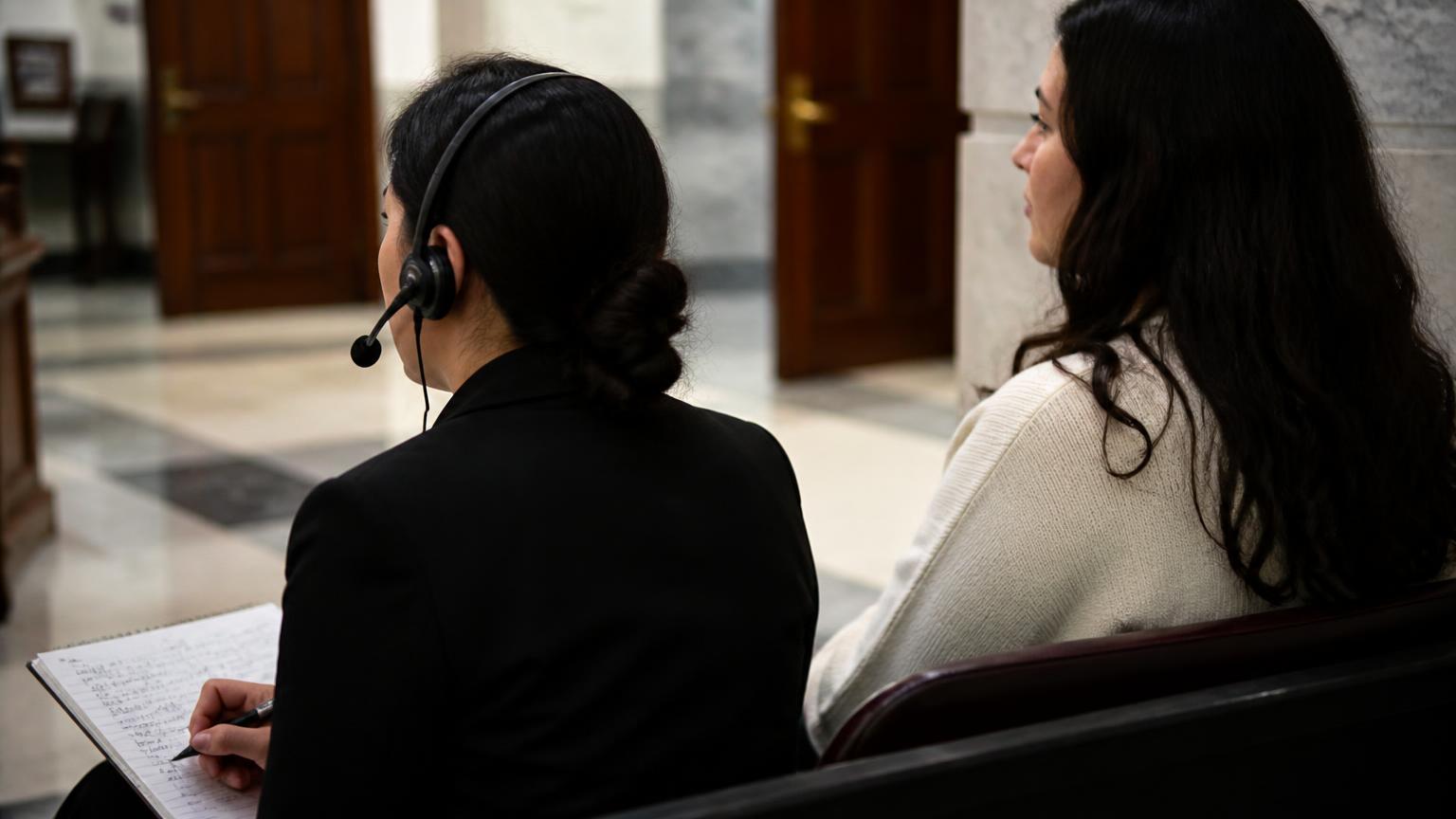
เราจัดหาล่ามสำหรับงานที่ต้องการความแม่นยำทางกฎหมายและเอกสาร ได้แก่ ล่ามในชั้นศาล ชั้นสอบสวนของตำรวจ โรงพยาบาลและคลินิก การจดทะเบียนสมรสที่สำนักงานเขตหรือที่ว่าการอำเภอ สำนักงานตรวจคนเข้าเมือง สถานทูตและสถานกงสุล การประชุมธุรกิจและเจรจาสัญญา การลงนามเอกสารต่อหน้าทนายความผู้ทำคำรับรองลายมือชื่อและเอกสาร (Notarial Services Attorney) รวมถึงล่ามทางโทรศัพท์และล่ามออนไลน์ผ่านวิดีโอ สิ่งที่ล่ามไม่ทำคือให้คำแนะนำทางกฎหมายหรือทางการแพทย์แทนผู้ประกอบวิชาชีพ ไม่สรุปย่อหรือตัดทอนคำพูดของคู่สนทนา และไม่รับประกันผลของกระบวนการใด ๆ สอบถามภาษา ความพร้อมของล่าม และค่าบริการได้ทางโทรศัพท์ LINE หรืออีเมลของสำนักงาน
›[พื้นฐาน]ล่าม (interpreter) กับนักแปลเอกสาร (translator) ต่างกันอย่างไร?
ล่ามทำงานกับภาษาพูดหรือภาษามือแบบเรียลไทม์ ส่วนนักแปลทำงานกับข้อความที่เป็นลายลักษณ์อักษรและมีเวลาตรวจทาน มาตรฐานสากลแยกสองงานนี้ออกจากกันชัดเจน โดย ISO 18841:2018 กำหนดข้อกำหนดทั่วไปของบริการล่าม ส่วน ISO 17100 เป็นมาตรฐานของบริการแปลเอกสาร ทักษะที่ใช้ต่างกันมาก ล่ามต้องจับใจความและถ่ายทอดทันทีภายใต้ความกดดันด้านเวลา นักแปลต้องจัดรูปแบบเอกสาร ความสม่ำเสมอของคำศัพท์ และผ่านการตรวจทาน ในทางปฏิบัติหลายเคสต้องใช้ทั้งสองบริการ เช่น แปลสัญญาเป็นเอกสารแล้วมีล่ามในวันลงนาม
›[พื้นฐาน]สอบถามความพร้อมของล่าม ภาษา และค่าบริการ ต้องติดต่อช่องทางไหน?
ติดต่อเจ้าหน้าที่ได้สามช่องทางคือ โทรศัพท์ LINE Official และอีเมลของสำนักงาน เราไม่ประกาศอัตราค่าบริการล่ามแบบตายตัวบนหน้าเว็บ เพราะค่าบริการขึ้นกับคู่ภาษา โหมดการล่าม (พูดสลับ พูดพร้อม หรืออ่านแปล) ระยะเวลาปฏิบัติงาน สถานที่และการเดินทาง ความเชี่ยวชาญเฉพาะทางที่งานต้องการ และความเร่งด่วนของการจอง เมื่อแจ้งวันเวลา สถานที่ ภาษา และลักษณะงานมาให้ครบ เจ้าหน้าที่จะยืนยันความพร้อมของล่ามและแจ้งค่าบริการทั้งหมดก่อนเริ่มงาน ค่าธรรมเนียมของหน่วยงานราชการเป็นอัตราที่หน่วยงานกำหนดเอง ควรยืนยันกับหน่วยงานนั้นโดยตรง
›[การจอง]จองล่ามต้องแจ้งล่วงหน้ากี่วัน?
โดยทั่วไปควรจองล่วงหน้าอย่างน้อยประมาณ 3-7 วันทำการสำหรับคู่ภาษาที่มีผู้ให้บริการจำนวนมาก เช่น อังกฤษ จีนกลาง ญี่ปุ่น และควรเผื่อเวลามากกว่านั้นสำหรับภาษาที่หาล่ามได้ยาก เช่น ฮีบรู ตุรกี ฮินดี ดัตช์ หรือภาษาที่ต้องการความเชี่ยวชาญเฉพาะด้าน งานล่ามพูดพร้อมในการประชุมหรือสัมมนาควรจองล่วงหน้ามากกว่านั้นเพราะต้องจัดทีมล่ามและอุปกรณ์ กรณีเร่งด่วนสามารถสอบถามความพร้อมเฉพาะหน้าได้ทางโทรศัพท์หรือ LINE ระยะเวลาที่ระบุเป็นแนวทางทั่วไป ไม่ใช่การรับประกัน ขึ้นกับคิวงานของล่ามแต่ละราย
›[การจอง]ต้องแจ้งข้อมูลอะไรบ้างตอนจองล่าม?
ข้อมูลที่ควรแจ้งคือ คู่ภาษาและสำเนียงหรือถิ่นภาษา (เช่น จีนกลางหรือกวางตุ้ง โปรตุเกสยุโรปหรือบราซิล) วันและเวลาเริ่ม-สิ้นสุดโดยประมาณ สถานที่ปฏิบัติงานหรือแพลตฟอร์มออนไลน์ที่ใช้ ลักษณะงาน เช่น ศาล ตำรวจ โรงพยาบาล สำนักงานเขต ตรวจคนเข้าเมือง สถานทูต ประชุมธุรกิจ หรือการลงนามกับทนาย Notary Public จำนวนผู้เข้าร่วม เพศของล่ามหากกรณีละเอียดอ่อน และความต้องการพิเศษ เช่น ล่ามหญิงสำหรับการตรวจร่างกาย ยิ่งข้อมูลครบ การจับคู่ล่ามกับงานยิ่งแม่นยำ
›[การจอง]ยกเลิกหรือเลื่อนนัดล่ามต้องแจ้งล่วงหน้าเท่าไร?
ควรแจ้งการยกเลิกหรือเลื่อนนัดให้เร็วที่สุดเท่าที่ทราบ เพราะล่ามกันเวลาไว้ให้งานนั้นแล้วและปฏิเสธงานอื่นไปแล้ว แนวปฏิบัติทั่วไปในอุตสาหกรรมคือแจ้งล่วงหน้าอย่างน้อย 1-2 วันทำการสำหรับงานปกติ และมากกว่านั้นสำหรับงานที่ต้องเดินทางข้ามจังหวัดหรือใช้ทีมล่ามพูดพร้อม เงื่อนไขการยกเลิกของแต่ละงานจะระบุไว้ในใบเสนอราคาหรือข้อความยืนยันงานที่เจ้าหน้าที่ส่งให้ก่อนเริ่มงาน สอบถามเงื่อนไขได้ทางโทรศัพท์ LINE หรืออีเมล
›[การจอง]จัดหาล่ามในต่างจังหวัดหรือต่างประเทศได้หรือไม่?
ได้ เราประสานล่ามในกรุงเทพมหานครและปริมณฑลเป็นหลัก และจัดล่ามเดินทางไปจังหวัดอื่น เช่น เชียงใหม่ ภูเก็ต ชลบุรี ขอนแก่น สุราษฎร์ธานี หรือสมุย รวมถึงงานในต่างประเทศตามที่ตกลงกัน กรณีเดินทางจะมีค่าเดินทางและค่าที่พักตามจริงซึ่งแจ้งให้ทราบก่อนยืนยันงาน หากงบประมาณหรือกำหนดเวลาไม่เอื้อต่อการเดินทาง ล่ามทางวิดีโอ (VRI) หรือทางโทรศัพท์ (OPI) เป็นทางเลือกที่หน่วยงานหลายแห่งยอมรับ ทั้งนี้ควรตรวจสอบกับหน่วยงานปลายทางก่อนว่ารับล่ามทางไกลหรือไม่
›[การจอง]ต้องการล่ามภาษาที่หาได้ยาก ควรทำอย่างไร?
แจ้งล่วงหน้าให้มากที่สุดและระบุถิ่นภาษาให้ชัด ภาษาที่ในประเทศไทยมีผู้ให้บริการจำกัด เช่น ฮีบรู ตุรกี ฮินดี ดัตช์ นอร์เวย์ สวีเดน หรือภาษาถิ่นบางภาษา อาจต้องใช้ล่ามทางวิดีโอจากต่างประเทศ หรือใช้ภาษาเชื่อม (relay interpreting) โดยผ่านภาษาอังกฤษเป็นตัวกลาง ซึ่งต้องแจ้งให้ทุกฝ่ายทราบล่วงหน้าเพราะเพิ่มเวลาและความเสี่ยงต่อความคลาดเคลื่อน หากงานเป็นงานราชการหรือชั้นศาล ควรสอบถามหน่วยงานว่ายอมรับรูปแบบดังกล่าวหรือไม่ก่อนยืนยัน
›[โหมดล่าม]ล่ามพูดสลับ (consecutive) เหมาะกับงานแบบไหน?
ล่ามพูดสลับคือผู้พูดพูดเป็นช่วง แล้วหยุดให้ล่ามถ่ายทอด เหมาะกับงานที่ต้องการความถูกต้องสูงและมีคู่สนทนาไม่มาก เช่น การสอบปากคำที่สถานีตำรวจ การเบิกความในศาล การซักประวัติที่โรงพยาบาล การสัมภาษณ์ที่สถานทูตหรือสำนักงานตรวจคนเข้าเมือง การจดทะเบียนสมรสที่สำนักงานเขตหรือที่ว่าการอำเภอ และการลงนามเอกสารต่อหน้าทนาย Notary Public ข้อดีคือไม่ต้องใช้อุปกรณ์ ข้อจำกัดคือใช้เวลาประมาณสองเท่าของการพูดปกติ จึงควรเผื่อเวลานัดหมายไว้
›[โหมดล่าม]ล่ามพูดพร้อม (simultaneous) ต้องใช้อุปกรณ์อะไร และใช้ล่ามกี่คน?
ล่ามพูดพร้อมคือการถ่ายทอดขณะผู้พูดยังพูดอยู่ ใช้ในการประชุมใหญ่ สัมมนา งานแสดงสินค้า และการประชุมผู้ถือหุ้น โดยทั่วไปต้องใช้ตู้ล่ามหรือชุดอุปกรณ์พกพา ไมโครโฟน และหูฟังสำหรับผู้ฟัง เนื่องจากภาระทางสมองสูงมาก แนวปฏิบัติสากลจึงใช้ล่ามสองคนต่อหนึ่งคู่ภาษาสลับกันประมาณทุก 20-30 นาทีสำหรับงานที่ยาวเกินราวหนึ่งชั่วโมง หากงานสั้นมากอาจใช้การกระซิบแปล (chuchotage) แทนได้ ควรแจ้งจำนวนผู้ฟังและผังห้องล่วงหน้าเพื่อจัดอุปกรณ์ให้เหมาะสม
›[โหมดล่าม]ล่ามอ่านแปล (sight translation) คืออะไร ใช้เมื่อไร?
ล่ามอ่านแปลคือการที่ล่ามอ่านเอกสารที่เป็นลายลักษณ์อักษรแล้วถ่ายทอดด้วยปากเปล่าเป็นอีกภาษาหนึ่งทันที มักใช้เมื่อคู่สัญญาต้องรับทราบเนื้อหาเอกสารในที่ประชุม เช่น หนังสือมอบอำนาจ คำให้การ แบบฟอร์มยินยอมทางการแพทย์ หรือเอกสารที่จะลงนามต่อหน้าทนายความ ข้อควรทราบคือการอ่านแปลด้วยปากเปล่าไม่ใช่คำแปลที่รับรองเป็นลายลักษณ์อักษร หากหน่วยงานต้องการคำแปลที่รับรอง ต้องจัดทำคำแปลและรับรองตามระเบียบแยกต่างหาก
›[โหมดล่าม]ล่ามทางวิดีโอ (VRI) กับล่ามทางโทรศัพท์ (OPI) ต่างกันอย่างไร?
ล่ามทางวิดีโอทำงานผ่านการประชุมทางจอภาพ ล่ามจึงเห็นสีหน้า ท่าทาง และเอกสารที่แสดงบนหน้าจอ เหมาะกับการปรึกษาแพทย์ การประชุมธุรกิจ และการสัมภาษณ์ที่ต้องอาศัยบริบททางสายตา ส่วนล่ามทางโทรศัพท์ใช้เสียงอย่างเดียว จุดแข็งคือเรียกใช้ได้เร็วและเหมาะกับบทสนทนาสั้น เช่น การนัดหมายหรือการยืนยันข้อมูล ทั้งสองแบบต้องมีสัญญาณอินเทอร์เน็ตหรือสัญญาณโทรศัพท์ที่เสถียร และควรตรวจสอบล่วงหน้าว่าศาล หน่วยงานราชการ หรือสถานพยาบาลปลายทางยอมรับล่ามทางไกลในกรณีนั้นหรือไม่
›[คุณสมบัติ]ล่ามที่ใช้ในงานราชการและงานกฎหมายควรมีคุณสมบัติอะไร?
ควรมีความสามารถทางภาษาทั้งสองภาษาในระดับใช้งานเชิงวิชาชีพ มีความรู้ศัพท์เฉพาะด้านของงานนั้น เข้าใจบทบาทและขอบเขตของล่ามตามจรรยาบรรณวิชาชีพ และมีประสบการณ์ในบริบทเดียวกันมาก่อน สำหรับงานที่เกี่ยวข้องกับออสเตรเลีย หน่วยงานมักกำหนดให้ใช้ล่ามที่ได้รับการรับรองจาก NAATI ส่วนงานในประเทศไทย หน่วยงานแต่ละแห่งมีแนวปฏิบัติต่างกัน บางแห่งกำหนดให้ล่ามแสดงบัตรประชาชนและลงลายมือชื่อในบันทึก จึงควรสอบถามข้อกำหนดของหน่วยงานปลายทางก่อนนัดหมายทุกครั้ง
›[คุณสมบัติ]NAATI certified interpreter คืออะไร และต่างจาก certified translator อย่างไร?
NAATI (National Accreditation Authority for Translators and Interpreters) เป็นองค์กรรับรองนักแปลและล่ามของประเทศออสเตรเลีย การรับรองแยกตามงานและทิศทางภาษา โดย Certified Interpreter เป็นการรับรองงานล่ามภาษาพูด ส่วน Certified Translator เป็นการรับรองงานแปลเอกสารที่เป็นลายลักษณ์อักษร ผู้ที่ได้รับการรับรองงานล่ามไม่ได้แปลว่าได้รับการรับรองงานแปลเอกสารโดยอัตโนมัติ และในทางกลับกันก็เช่นกัน หากหน่วยงานออสเตรเลียขอคำแปลรับรอง ต้องใช้ผู้ที่มีการรับรองด้านการแปล ตรวจสอบสถานะผู้ปฏิบัติงานได้จากทะเบียนออนไลน์ของ NAATI (naati.com.au)
›[คุณสมบัติ]การรับรองของ NAATI ต้องต่ออายุ (recertification) หรือไม่?
ต้องต่ออายุ ระบบการรับรอง (certification) ของ NAATI กำหนดให้ผู้ได้รับการรับรองต่ออายุเป็นรอบ โดยรอบมาตรฐานคือทุก 3 ปี ผู้ปฏิบัติงานต้องแสดงหลักฐานการปฏิบัติงานจริงตามชั่วโมงที่กำหนดและหลักฐานการพัฒนาวิชาชีพต่อเนื่อง (professional development) จึงจะคงสถานะไว้ได้ บัตรรับรองจะระบุวันหมดอายุ ผู้ว่าจ้างจึงควรตรวจสอบวันหมดอายุและหมายเลขผู้ปฏิบัติงานกับทะเบียนออนไลน์ของ NAATI ก่อนใช้บริการ ระเบียบและรอบการต่ออายุอาจปรับปรุงได้ ควรยืนยันกับ naati.com.au เป็นข้อมูลล่าสุด
›[จรรยาบรรณ]หลักจรรยาบรรณวิชาชีพล่ามตาม AUSIT Code of Ethics มีอะไรบ้าง?
AUSIT (Australian Institute of Interpreters and Translators) กำหนดหลักจรรยาบรรณที่วงการล่ามใช้อ้างอิงอย่างกว้างขวาง สาระสำคัญได้แก่ ความประพฤติทางวิชาชีพ การรักษาความลับ การรับงานเฉพาะที่ตนมีความสามารถ ความเป็นกลางและไม่มีส่วนได้เสีย ความถูกต้องแม่นยำในการถ่ายทอด ความชัดเจนของขอบเขตบทบาท การรักษาความสัมพันธ์ทางวิชาชีพที่เหมาะสม การพัฒนาวิชาชีพอย่างต่อเนื่อง และความรับผิดชอบร่วมในวิชาชีพ หลักเหล่านี้หมายความว่าล่ามต้องถ่ายทอดทุกถ้อยคำรวมถึงคำหยาบหรือคำที่ไม่สุภาพ และห้ามเพิ่ม ตัด หรือให้ความเห็นส่วนตัว
›[จรรยาบรรณ]ล่ามให้คำแนะนำทางกฎหมายหรือทางการแพทย์แทนได้หรือไม่?
ไม่ได้ บทบาทของล่ามคือการถ่ายทอดสารระหว่างสองภาษาอย่างถูกต้องและครบถ้วนเท่านั้น ล่ามไม่ใช่ทนายความ ไม่ใช่แพทย์ และไม่ใช่ที่ปรึกษาของฝ่ายใดฝ่ายหนึ่ง หากคู่สนทนาถามความเห็นจากล่าม ล่ามต้องแจ้งขอบเขตบทบาทและส่งคำถามนั้นให้ผู้ประกอบวิชาชีพที่รับผิดชอบตอบ การที่ล่ามอธิบายเพิ่มเติมเองอาจทำให้บันทึกในสำนวนหรือเวชระเบียนคลาดเคลื่อน และในบางบริบทอาจกระทบต่อความน่าเชื่อถือของกระบวนการทั้งหมด
›[จรรยาบรรณ]ล่ามรักษาความลับของข้อมูลลูกค้าอย่างไร?
ล่ามผูกพันตามหลักการรักษาความลับ ข้อมูลทั้งหมดที่ได้รับรู้ระหว่างปฏิบัติงาน ไม่ว่าจะเป็นข้อเท็จจริงในคดี ข้อมูลสุขภาพ หรือข้อมูลทางธุรกิจ ห้ามเปิดเผยต่อบุคคลภายนอก เว้นแต่กฎหมายกำหนดหรือได้รับความยินยอมเป็นลายลักษณ์อักษร ในงานที่มีข้อมูลอ่อนไหว เช่น การควบรวมกิจการ ข้อพิพาททางการค้า หรือคดีครอบครัว สามารถขอให้ล่ามลงนามในข้อตกลงไม่เปิดเผยข้อมูล (NDA) เพิ่มเติมได้ก่อนเริ่มงาน แจ้งความประสงค์กับเจ้าหน้าที่ตอนจองล่วงหน้า
›[มาตรฐาน]ISO 18841 กำหนดอะไรเกี่ยวกับบริการล่าม?
ISO 18841:2018 เป็นมาตรฐานสากลว่าด้วยข้อกำหนดและข้อแนะนำทั่วไปสำหรับบริการล่าม ครอบคลุมประเด็นสำคัญ เช่น ความสามารถและคุณสมบัติของล่าม การพัฒนาวิชาชีพต่อเนื่อง จรรยาบรรณและการรักษาความลับ การบริหารจัดการงานตั้งแต่การรับคำสั่งจ้างจนถึงการส่งมอบ และการสื่อสารกับผู้ว่าจ้างเรื่องเงื่อนไขการทำงาน นอกจากนี้ยังมีมาตรฐานเฉพาะบริบท เช่น ISO 20228 สำหรับล่ามด้านกฎหมาย และ ISO 21998 สำหรับล่ามด้านสุขภาพ การอ้างมาตรฐานเหล่านี้ช่วยให้ผู้ว่าจ้างกำหนดความคาดหวังได้ชัดเจนขึ้น
›[ออสเตรเลีย]TIS National 131 450 คืออะไร และใช้บริการอย่างไร?
TIS National (Translating and Interpreting Service National) เป็นบริการล่ามของกระทรวงมหาดไทยออสเตรเลีย (Department of Home Affairs) สำหรับผู้ที่ไม่ได้ใช้ภาษาอังกฤษเป็นภาษาแม่และหน่วยงานที่ต้องสื่อสารกับบุคคลเหล่านั้น หมายเลขที่ใช้เรียกล่ามทางโทรศัพท์ทันทีภายในออสเตรเลียคือ 131 450 บริการนี้ใช้ได้ในออสเตรเลียและมีเงื่อนไขการเข้าถึงตามประเภทผู้ใช้ ซึ่งบางกลุ่มไม่มีค่าใช้จ่าย หากคุณอยู่ในประเทศไทยและต้องการล่ามสำหรับติดต่อหน่วยงานออสเตรเลีย ควรตรวจสอบเงื่อนไขล่าสุดที่เว็บไซต์ tisnational.gov.au ก่อน
›[ศาล]ล่ามในศาลไทยมีบทบาทและหน้าที่อย่างไร?
เมื่อคู่ความหรือพยานไม่สามารถสื่อสารเป็นภาษาไทยได้ ศาลจะให้มีล่ามเพื่อให้กระบวนพิจารณาดำเนินไปได้ ล่ามต้องถ่ายทอดคำถามและคำตอบให้ตรงตามที่พูดจริง ไม่สรุป ไม่ตีความ และไม่ให้คำแนะนำ ล่ามศาลตามแนวปฏิบัติจะต้องปฏิญาณหรือสาบานตนต่อศาลก่อนปฏิบัติหน้าที่ว่าจะแปลตามความสัตย์จริง และอาจต้องแสดงเอกสารแสดงตนต่อศาล การจัดล่ามและการยอมรับตัวล่ามเป็นดุลพินิจของศาลแต่ละแห่ง จึงควรยื่นคำแถลงขออนุญาตนำล่ามเข้าปฏิบัติหน้าที่ล่วงหน้า
›[ศาล]ศาลจัดหาล่ามให้เอง หรือคู่ความต้องจัดหามาเอง?
ขึ้นกับศาลและประเภทคดี ศาลบางแห่งมีบัญชีล่ามที่ขึ้นทะเบียนไว้และจัดล่ามให้ โดยเฉพาะในคดีอาญาที่จำเลยไม่เข้าใจภาษาไทย แต่ในหลายกรณี โดยเฉพาะคดีแพ่งหรือภาษาที่ไม่ค่อยมีล่ามในบัญชี คู่ความจะเป็นผู้จัดหาล่ามเองแล้วเสนอต่อศาลเพื่อขออนุญาต แนวปฏิบัติที่ปลอดภัยคือสอบถามงานหน้าบัลลังก์หรือเจ้าหน้าที่ศาลที่รับผิดชอบสำนวนล่วงหน้าว่าต้องดำเนินการอย่างไร ต้องยื่นคำแถลงหรือไม่ และล่ามต้องมีคุณสมบัติหรือเอกสารแสดงตนอะไรบ้าง
›[ตำรวจ]ล่ามในชั้นสอบสวนของตำรวจมีบทบาทอย่างไร?
ในชั้นสอบสวน ล่ามทำหน้าที่ถ่ายทอดคำถามของพนักงานสอบสวนและคำให้การของผู้ต้องหา ผู้เสียหาย หรือพยานที่ไม่เข้าใจภาษาไทย โดยต้องแปลให้ตรงตามถ้อยคำที่พูดจริงและครบถ้วน รวมถึงการแจ้งสิทธิของผู้ต้องหา บันทึกคำให้การมักระบุชื่อล่ามและให้ล่ามลงลายมือชื่อกำกับ ล่ามไม่มีหน้าที่ให้คำแนะนำทางกฎหมายหรือชักจูงคำตอบ หากผู้ให้ถ้อยคำต้องการคำปรึกษาทางกฎหมาย ควรมีทนายความเข้าร่วมด้วย ควรแจ้งสถานีตำรวจล่วงหน้าว่าจะนำล่ามของตนเองเข้าร่วม
›[การแพทย์]ล่ามการแพทย์ต้องระวังอะไรเป็นพิเศษ?
ล่ามการแพทย์ต้องถ่ายทอดอาการ ประวัติการรักษา ชื่อยา ขนาดยา และคำอธิบายความเสี่ยงอย่างครบถ้วน เพราะความคลาดเคลื่อนเพียงคำเดียวอาจกระทบต่อความปลอดภัยของผู้ป่วย ข้อควรระวังคือห้ามให้ญาติหรือเด็กทำหน้าที่ล่ามในเรื่องสำคัญ เพราะขาดศัพท์เฉพาะและมีส่วนได้เสียทางอารมณ์ ล่ามต้องรักษาความลับข้อมูลสุขภาพ และในเอกสารแสดงความยินยอมรับการรักษา (informed consent) ควรใช้การอ่านแปลต่อหน้าเจ้าหน้าที่พร้อมบันทึกว่ามีล่าม มาตรฐานสากลที่เกี่ยวข้องคือ ISO 21998 ว่าด้วยล่ามด้านสุขภาพ
›[สมรส]จดทะเบียนสมรสกับชาวต่างชาติ นายทะเบียนต้องการล่ามหรือไม่?
สำนักงานเขตและที่ว่าการอำเภอหลายแห่งกำหนดให้มีล่ามเมื่อคู่สมรสฝ่ายต่างชาติไม่เข้าใจภาษาไทย เพื่อให้แน่ใจว่าทั้งสองฝ่ายเข้าใจเงื่อนไขการสมรสและให้ความยินยอมด้วยความสมัครใจตามประมวลกฎหมายแพ่งและพาณิชย์ บรรพ 5 บางแห่งขอให้ล่ามแสดงบัตรประชาชนและลงลายมือชื่อในบันทึก ข้อกำหนดนี้ไม่เหมือนกันทุกสำนักทะเบียน จึงควรโทรสอบถามสำนักทะเบียนที่จะไปจดทะเบียนล่วงหน้าว่าต้องมีล่ามหรือไม่ และต้องการเอกสารของล่ามอย่างไร
›[โนตารี]ล่ามสำหรับการลงนามเอกสารกับทนาย Notary Public จำเป็นเมื่อไร?
จำเป็นเมื่อผู้ลงนามไม่เข้าใจภาษาของเอกสารที่จะลงนาม ทนายความผู้ทำคำรับรองลายมือชื่อและเอกสารตามข้อบังคับของสภาทนายความว่าด้วยการนี้ ต้องมั่นใจว่าผู้ลงนามเข้าใจเนื้อหาและลงนามด้วยความสมัครใจ หากผู้ลงนามไม่เข้าใจภาษาอังกฤษหรือภาษาไทยของเอกสาร การจัดให้มีล่ามอ่านแปลเนื้อหาต่อหน้าและบันทึกไว้ในคำรับรองจะช่วยลดความเสี่ยงที่เอกสารจะถูกโต้แย้งภายหลัง ควรแจ้งความต้องการล่ามพร้อมภาษาที่ใช้ตอนนัดหมายกับสำนักงาน
›[ตรวจคนเข้าเมือง]ล่ามสำหรับงานที่สำนักงานตรวจคนเข้าเมืองและสถานทูตใช้อย่างไร?
งานที่สำนักงานตรวจคนเข้าเมือง เช่น การสัมภาษณ์ประกอบคำขอต่ออายุการอยู่ต่อ หรือการชี้แจงเอกสาร มักใช้ล่ามพูดสลับและอาจต้องลงชื่อในบันทึกการสัมภาษณ์ ส่วนสถานทูตและสถานกงสุลแต่ละแห่งมีนโยบายต่างกันมาก บางแห่งอนุญาตให้นำล่ามเข้าไปด้วย บางแห่งจัดเจ้าหน้าที่ของตนเอง และบางแห่งไม่อนุญาตให้บุคคลที่สามเข้าร่วมการสัมภาษณ์เลย จึงต้องตรวจสอบระเบียบของหน่วยงานนั้นก่อนนัดหมายทุกครั้ง เราไม่ใช่ตัวแทนของสถานทูตหรือหน่วยงานรัฐใด
›[ธุรกิจ]ล่ามสำหรับการประชุมธุรกิจและเจรจาสัญญาควรเตรียมอะไร?
ควรส่งข้อมูลให้ล่ามล่วงหน้าอย่างน้อยสองสามวัน ได้แก่ วาระการประชุม รายชื่อผู้เข้าร่วมพร้อมตำแหน่ง ร่างสัญญาหรือเอกสารประกอบ อภิธานศัพท์เฉพาะขององค์กรและชื่อผลิตภัณฑ์ ตลอดจนเป้าหมายของการประชุม การเตรียมข้อมูลล่วงหน้าช่วยให้ล่ามใช้คำศัพท์ตรงกับที่บริษัทใช้จริงและลดการหยุดถามกลางที่ประชุม หากเนื้อหาเป็นความลับสามารถขอให้ล่ามลงนาม NDA ก่อนได้ ล่ามยังคงผูกพันหลักการรักษาความลับตามจรรยาบรรณวิชาชีพแม้ไม่มี NDA
›[การเตรียมงาน]ควรส่งเอกสารอะไรให้ล่ามก่อนวันงาน?
ส่งทุกอย่างที่ช่วยให้ล่ามเข้าใจบริบท เช่น หมายศาลหรือคำฟ้องกรณีงานศาล สรุปข้อกล่าวหากรณีงานตำรวจ ประวัติการรักษาหรือชื่อยากรณีงานโรงพยาบาล แบบฟอร์มราชการที่จะกรอก ร่างเอกสารที่จะลงนาม สไลด์นำเสนอ และรายชื่อเฉพาะ เช่น ชื่อบุคคล ชื่อสถานที่ ชื่อบริษัท ที่มักออกเสียงผิด ล่ามผูกพันการรักษาความลับกับเอกสารทั้งหมดที่ได้รับ หากไม่สะดวกส่งเอกสารเต็ม ให้ส่งสรุปย่อและอภิธานศัพท์ก็ยังช่วยคุณภาพงานได้มาก
›[การเตรียมงาน]ในวันงานควรปฏิบัติกับล่ามอย่างไรให้การสื่อสารราบรื่น?
พูดกับคู่สนทนาโดยตรงในบุรุษที่หนึ่ง ไม่ต้องพูดว่า ช่วยบอกเขาว่า พูดเป็นช่วงสั้น ๆ แล้วหยุดให้ล่ามถ่ายทอด หลีกเลี่ยงการพูดพร้อมกันหลายคน หลีกเลี่ยงสำนวนหรือมุกตลกที่แปลข้ามวัฒนธรรมได้ยาก และเผื่อเวลานัดหมายประมาณสองเท่าสำหรับการล่ามแบบพูดสลับ ควรจัดที่นั่งให้ล่ามอยู่ในตำแหน่งที่ได้ยินทุกฝ่ายชัดเจน และควรมีช่วงพักสำหรับงานที่ยาวเกินราวหนึ่งชั่วโมงครึ่ง เพราะสมาธิของล่ามส่งผลโดยตรงต่อความถูกต้อง
›[การแปล]ล่ามรับรองคำแปลเอกสารได้หรือไม่?
การล่ามและการรับรองคำแปลเป็นคนละงานกัน คำแปลที่หน่วยงานราชการไทยยอมรับต้องจัดทำเป็นลายลักษณ์อักษรและรับรองตามเส้นทางที่หน่วยงานปลายทางกำหนด เช่น รับรองคำแปลผ่านกองสัญชาติและนิติกรณ์ กรมการกงสุล กระทรวงการต่างประเทศ หรือรับรองโดยผู้แปลที่หน่วยงานปลายทางยอมรับ กรณีเอกสารที่จะใช้ในออสเตรเลียมักต้องใช้คำแปลจากผู้ได้รับการรับรองด้านการแปลของ NAATI การที่ล่ามอ่านแปลด้วยปากเปล่าในที่ประชุมไม่ทำให้เอกสารนั้นกลายเป็นคำแปลรับรอง
›[ภาษา]รองรับล่ามภาษาอะไรบ้าง?
คู่ภาษาที่มีการร้องขอบ่อยได้แก่ ไทย-อังกฤษ ไทย-ญี่ปุ่น ไทย-จีนกลาง ไทย-เกาหลี ไทย-เยอรมัน ไทย-ฝรั่งเศส ไทย-สเปน ไทย-อิตาลี ไทย-รัสเซีย ไทย-อาหรับ ไทย-เวียดนาม ไทย-พม่า ไทย-เขมร ไทย-ลาว ไทย-อินโดนีเซีย ไทย-ฮินดี ไทย-โปรตุเกส ไทย-ดัตช์ ไทย-ตุรกี และไทย-ฮีบรู ความพร้อมของล่ามแต่ละภาษาไม่เท่ากันและเปลี่ยนแปลงตามคิวงาน ภาษาที่หาล่ามได้ยากควรจองล่วงหน้านานกว่าปกติ สอบถามความพร้อมเป็นรายกรณีได้ทางโทรศัพท์ LINE หรืออีเมล
›[ภาษา]ภาษาจีน ภาษาโปรตุเกส และภาษาอาหรับ ต้องระบุถิ่นภาษาหรือไม่?
ควรระบุ ภาษาจีนที่ใช้พูดต่างกันมากระหว่างจีนกลาง (Mandarin) กับกวางตุ้ง (Cantonese) และงานเอกสารยังต้องเลือกระหว่างอักษรตัวย่อกับตัวเต็ม ภาษาโปรตุเกสมีความต่างระหว่างสำเนียงยุโรปกับบราซิล ภาษาอาหรับมีภาษาถิ่นจำนวนมากแม้จะใช้ Modern Standard Arabic เป็นภาษากลางในงานทางการ การระบุถิ่นภาษาและประเทศของคู่สนทนาตั้งแต่ตอนจองช่วยให้จับคู่ล่ามได้ตรงและลดปัญหาความเข้าใจผิดระหว่างงานจริง
›[คุณภาพ]จะตรวจสอบคุณภาพของล่ามได้อย่างไร?
ขอข้อมูลประสบการณ์ในบริบทเดียวกัน เช่น เคยล่ามในศาลหรือโรงพยาบาลมาก่อนหรือไม่ ขอหมายเลขและวันหมดอายุของการรับรองหากงานกำหนดให้ใช้ล่ามที่ได้รับการรับรอง เช่น ตรวจสอบกับทะเบียนออนไลน์ของ NAATI สำหรับงานที่เกี่ยวข้องกับออสเตรเลีย สอบถามว่าล่ามยินดีลงนาม NDA หรือไม่ และนัดพูดคุยสั้น ๆ ก่อนวันงานเพื่อทดสอบความเข้าใจศัพท์เฉพาะ เราไม่แสดงขอบเขตบริการหรือเรตติ้งบนเว็บไซต์ แต่ยินดีให้ข้อมูลคุณสมบัติของล่ามเป็นรายกรณีก่อนยืนยันงาน
›[ข้อจำกัด]มีอะไรที่บริการล่ามรับประกันไม่ได้บ้าง?
เราไม่รับประกันผลของกระบวนการที่ล่ามเข้าร่วม เช่น ผลคดี ผลการพิจารณาวีซ่า การอนุมัติของนายทะเบียน หรือผลการเจรจาทางธุรกิจ เพราะเป็นดุลพินิจของหน่วยงานหรือคู่กรณี เราไม่รับประกันว่าหน่วยงานทุกแห่งจะยอมรับล่ามที่จัดหาโดยเอกชนหรือยอมรับล่ามทางไกล และไม่รับประกันระยะเวลาดำเนินการของหน่วยงานรัฐ สิ่งที่เรารับผิดชอบคือการจัดหาล่ามที่มีคุณสมบัติเหมาะสมกับงาน การถ่ายทอดอย่างถูกต้องตามจรรยาบรรณวิชาชีพ และการรักษาความลับของข้อมูล
›[Basics]What is the difference between an interpreter and a translator?
Interpreters work with spoken (or signed) language in real time; translators work with written text and have time to research and revise. The international standards treat them separately: ISO 18841:2018 sets general requirements for interpreting services, while ISO 17100 covers written translation services. Many matters need both — for example a contract translated in writing before signing, plus an interpreter present on the signing day. A person certified for interpreting is not automatically certified for translation, and vice versa.
›[Basics]What interpreting services does NYC Legal arrange in Thailand?
We arrange interpreters for legally sensitive settings: Thai courts, police investigations, hospitals and clinics, marriage registration at a district office (khet/amphoe), Immigration Bureau appointments, embassy and consulate matters, business meetings and contract negotiation, notarial signing before a Thai Notarial Services Attorney, plus over-the-phone (OPI) and video remote (VRI) interpreting. Interpreters do not give legal or medical advice, do not summarise, and cannot guarantee the outcome of any process. Ask about languages, availability and fees by phone, LINE or email.
›[Booking]How do I book an interpreter for a court, police, medical or business assignment?
Send us the language pair and dialect, the date and expected start and finish time, the venue or online platform, the type of setting (court, police station, hospital, district office, immigration, embassy, business meeting, notarial signing, conference), the number of participants and any special requirement such as a female interpreter for a physical examination. We confirm availability and quote the full fee before the assignment begins. As a general guide, allow at least 3-7 working days for widely available languages and longer for rare ones or for simultaneous conference work.
›[Booking]How much notice is needed, and what if the assignment is cancelled?
Book as early as possible. Common languages such as English, Mandarin, Japanese and Korean usually need a few working days; rarer languages such as Hebrew, Turkish, Hindi, Dutch, Norwegian or Swedish need considerably more, and simultaneous conference work needs the longest lead time because a team of interpreters and equipment must be arranged. Cancellations and postponements should be advised as soon as they are known, because the interpreter has already reserved the time and declined other work. Cancellation terms are stated in the written confirmation for each assignment.
›[Credentials]What does NAATI certification mean for an interpreter?
NAATI, the National Accreditation Authority for Translators and Interpreters, is Australia's certifying body. Certification is granted per skill and language direction: a Certified Interpreter credential covers spoken-language interpreting, while a Certified Translator credential covers written translation. Australian agencies frequently require NAATI-certified interpreters, and written documents for Australian use normally require a translator holding the translation credential. Verify a practitioner's number and expiry date against the online directory at naati.com.au before engaging them.
›[Credentials]How often must a NAATI credential be recertified?
NAATI certification is time-limited and must be renewed. The standard recertification cycle is every three years, and practitioners must evidence both recent practice hours and continuing professional development to keep the credential current. The certification card shows an expiry date, so clients should check the date and the practitioner number in the NAATI online directory. Because NAATI periodically revises its recertification rules, confirm the current requirements at naati.com.au rather than relying on secondary sources.
›[Credentials]What credentials should an interpreter hold for court, police or hospital work in Thailand?
Requirements differ by institution. Thai courts exercise discretion over who may interpret; interpreters are affirmed or sworn before performing their duty and may be asked to produce identification and sign the record. Police investigations normally name the interpreter in the statement and require a signature. Hospitals expect medical terminology competence and confidentiality. Where the matter touches Australia, agencies typically insist on NAATI certification. Always ask the receiving institution about its own rules before the appointment.
›[Ethics]What are the core principles of the AUSIT Code of Ethics?
AUSIT, the Australian Institute of Interpreters and Translators, publishes the code most widely cited in the profession. Its principles cover professional conduct, confidentiality, competence (accepting only work you are qualified for), impartiality, accuracy, clarity of role boundaries, maintaining appropriate professional relationships, continuing professional development and professional solidarity. In practice this means the interpreter renders everything that is said, including impolite or damaging remarks, and never adds, omits or offers a personal opinion.
›[Ethics]Can an interpreter give legal or medical advice, or act as my adviser?
No. The interpreter's role is limited to conveying meaning accurately and completely between two languages. Interpreters are not lawyers, doctors or advocates for either party. If asked for an opinion, the interpreter should state the boundary of the role and refer the question to the responsible professional. Interpreters are also bound by confidentiality for everything learned on assignment, and can sign a non-disclosure agreement for sensitive commercial, family or criminal matters if requested at booking.
›[Modes]Which interpreting mode suits which setting?
Consecutive interpreting — the speaker pauses and the interpreter renders each segment — is the standard for courts, police interviews, medical consultations, embassy and immigration interviews, district-office marriage registration and notarial signing; it needs no equipment but roughly doubles the time. Simultaneous interpreting is used for conferences, seminars, trade fairs and shareholder meetings; it normally requires booths or a portable system, and two interpreters per language pair rotating every 20-30 minutes for sessions beyond about an hour. Sight translation is the oral rendering of a written document on the spot.
›[Modes]What is sight translation and does it replace a certified translation?
Sight translation is when the interpreter reads a written document and renders it orally into the other language immediately — often used for powers of attorney, statements, medical consent forms or documents about to be signed before a lawyer. It does not create a certified written translation. If an authority requires a certified translation, the document must be translated in writing and certified along the route that authority accepts, for example legalisation of the translation by the Department of Consular Affairs of the Thai Ministry of Foreign Affairs, or a NAATI-certified translation for Australian use.
›[Modes]What is the difference between VRI and OPI interpreting?
Video remote interpreting (VRI) runs over a video platform, so the interpreter can see facial expression, gestures and documents shared on screen — useful for medical consultations, business meetings and interviews that depend on visual context. Over-the-phone interpreting (OPI) is audio only; it is fast to arrange and suits short exchanges such as appointment booking or data confirmation. Both need a stable connection, and you should confirm in advance whether the court, government office or hospital concerned accepts remote interpreting for that specific appointment.
›[Standards]What does ISO 18841 cover for interpreting services?
ISO 18841:2018 sets general requirements and recommendations for interpreting services, addressing interpreter competences and qualifications, continuing professional development, ethics and confidentiality, management of an assignment from request to delivery, and communication with the client about working conditions. Domain-specific standards complement it: ISO 20228 for legal interpreting and ISO 21998 for healthcare interpreting. Citing these standards helps clients set clear expectations about interpreter qualification, briefing and working conditions.
›[Australia]How does TIS National 131 450 work?
TIS National — Translating and Interpreting Service National — is operated by the Australian Department of Home Affairs for people with limited English and for agencies communicating with them. Within Australia, immediate telephone interpreting is reached on 131 450. Access conditions and whether a call is free depend on the client category, and the service is designed for use in Australia. If you are in Thailand and need to contact an Australian agency, check the current eligibility and contact arrangements at tisnational.gov.au first.
›[Court]Are court interpreters in Thailand sworn in, and who arranges them?
Where a party or witness cannot communicate in Thai, the court arranges for interpreting so that proceedings can continue, and the interpreter is affirmed or sworn before the court to interpret truthfully. Some courts maintain their own list of interpreters, particularly for criminal matters; in many civil matters, or for languages rarely represented on the list, the party engages an interpreter and asks the court's permission for that person to serve. Ask the court officer handling the file in advance whether a written request is needed and what identification the interpreter must present.
›[Police]What is the interpreter's role in a Thai police investigation?
During an investigation the interpreter conveys the investigating officer's questions and the statement of the suspect, victim or witness who does not understand Thai, including the notification of rights, rendering exactly what is said without summarising. The record of the statement usually names the interpreter and requires a signature. The interpreter does not advise on law or suggest answers; anyone needing legal advice should have a lawyer present. Tell the police station in advance if you intend to bring your own interpreter.
›[Medical]What should we watch for in medical interpreting?
Symptoms, medical history, medication names and doses, and explanations of risk must be conveyed completely, because a single error can affect patient safety. Family members and especially children should not be used as interpreters for significant discussions: they lack the terminology and have an emotional stake. Health information is confidential. For informed-consent forms, sight translation in front of staff with a note in the record that an interpreter was present is good practice. ISO 21998 is the relevant international standard for healthcare interpreting.
›[Marriage]Is an interpreter required to register a marriage at a Thai district office?
Many district offices (khet/amphoe) require an interpreter when the foreign partner does not understand Thai, so that both parties clearly understand the conditions of marriage and give genuine consent under Book V of the Thai Civil and Commercial Code. Some offices ask the interpreter to show identification and sign the register. Practice is not uniform across registrars, so call the office where you intend to register and confirm whether an interpreter is required and what documents that interpreter must present.
›[Notary]When is an interpreter needed for notarial signing in Thailand?
An interpreter is needed whenever a signatory does not understand the language of the document. A Thai lawyer acting as a Notarial Services Attorney under the Lawyers Council of Thailand regulation on the certification of signatures and documents must be satisfied that the signatory understands the content and signs voluntarily. Having an interpreter sight-translate the document in the lawyer's presence, and noting that in the certificate, reduces the risk of the document being challenged later. Mention the language required when booking the appointment.
›[Immigration]Can we bring our own interpreter to immigration or embassy appointments?
Immigration Bureau interviews commonly use consecutive interpreting, and the interpreter may need to sign the interview record. Embassies and consulates set their own policies, which vary widely: some allow an accompanying interpreter, some provide their own staff, and some do not permit third parties in an interview at all. Always confirm the rules of the specific mission or office before the appointment. We are not an agent or representative of any embassy or government authority.
›[Business]How should we brief an interpreter for a business meeting or negotiation?
Send the agenda, the participant list with titles, the draft contract or supporting documents, a glossary of in-house terms and product names, and the objective of the meeting at least a few days ahead. Advance preparation lets the interpreter use the exact terminology your company uses and reduces interruptions during the meeting. Confidential material can be covered by a non-disclosure agreement signed before the assignment; interpreters remain bound by professional confidentiality even without one.
›[Preparation]What briefing material helps most, and how should we work with the interpreter on the day?
Useful material includes the court summons or pleadings, a summary of allegations for police matters, medical history or medication lists, the government forms to be completed, documents to be signed, presentation slides, and lists of names of people, places and companies that are easily mispronounced. On the day, speak directly to the other party in the first person, speak in short segments, avoid several people speaking at once, avoid idioms and jokes that travel poorly, seat the interpreter where everyone can be heard, allow roughly double the time for consecutive work and schedule breaks for long sessions.
›[Languages]Which language pairs are most often requested?
Frequently requested pairs include Thai with English, Japanese, Mandarin Chinese, Korean, German, French, Spanish, Italian, Russian, Arabic, Vietnamese, Burmese, Khmer, Lao, Indonesian, Hindi, Portuguese, Dutch, Turkish and Hebrew. Availability differs by language and changes with interpreters' schedules, so rare languages should be booked well ahead. Specify the variety where it matters: Mandarin versus Cantonese, European versus Brazilian Portuguese, Modern Standard Arabic versus a regional variety. Ask about availability case by case via phone, LINE or email.
›[Coverage]Do you cover assignments outside Bangkok?
Yes. We arrange interpreters in Bangkok and its surrounding provinces as standard, and send interpreters to other provinces such as Chiang Mai, Phuket, Chonburi, Khon Kaen, Surat Thani and Samui, as well as overseas assignments by arrangement. Travel and accommodation are charged at cost and confirmed before the assignment. Where travel is not practical, video remote or telephone interpreting is often accepted — but confirm with the receiving institution first, since some courts and offices require the interpreter to attend in person.
›[Limits]What can an interpreting service not guarantee?
We do not guarantee the outcome of any process an interpreter takes part in — court results, visa decisions, a registrar's approval or the result of a commercial negotiation — because those are decisions of the authority or the counterparty. We cannot guarantee that every institution will accept a privately engaged interpreter or accept remote interpreting, and we do not guarantee government processing times. What we are responsible for is supplying an interpreter suitably qualified for the setting, faithful rendition in line with professional ethics, and confidentiality of your information.
›[Contact]How do we ask about interpreter availability and fees?
Contact our staff by telephone, LINE Official account or email. We deliberately do not publish fixed interpreting rates on the website, because the fee depends on the language pair, the interpreting mode (consecutive, simultaneous or sight translation), the duration, the venue and travel, the specialist knowledge required and how urgent the booking is. Once you provide the date, time, place, language and nature of the assignment, staff confirm interpreter availability and quote the full fee before any work starts. Government fees are set by the authorities and should be confirmed with them directly.