›[พื้นฐาน]บริการเอกสารการเงิน ธนาคาร และภาษีของเราครอบคลุมอะไรบ้าง?
เราให้บริการแปลและงานรับรองเอกสารกลุ่มการเงิน ได้แก่ รายการเดินบัญชี (bank statement) หนังสือรับรองยอดเงินฝากและหนังสือรับรองฐานะการเงินจากธนาคาร สลิปเงินเดือนและหนังสือรับรองเงินเดือน หนังสือรับรองการหักภาษี ณ ที่จ่าย (50 ทวิ) แบบ ภ.ง.ด.90/91 แบบ ภ.ง.ด.50 ภ.พ.20 ภ.พ.30 หนังสือรับรองการมีถิ่นที่อยู่เพื่อการรัษฎากร (R.O.22) งบการเงินที่ผู้สอบบัญชีรับอนุญาตรับรอง เอกสารการลงทุนและกรมธรรม์ประกันชีวิต สัญญาสินเชื่อ หนังสือรับรองการปิดบัญชี และรายงานข้อมูลเครดิต โดยครอบคลุมการแปลพร้อมคำรับรองคำแปล การรับรองลายมือชื่อโดยทนายความผู้ทำคำรับรองลายมือชื่อและเอกสาร การประสานงานรับรองนิติกรณ์ที่กรมการกงสุล และการขอ Apostille สำหรับประเทศภาคีอนุสัญญา สิ่งที่เราไม่ทำคือออกเอกสารทางการเงินแทนธนาคาร แก้ไขตัวเลขในเอกสาร หรือรับรองว่าผู้ยื่นมีคุณสมบัติทางการเงินเพียงพอ
›[พื้นฐาน]ทำไมสถานทูตและมหาวิทยาลัยจึงขอเอกสารการเงิน?
หน่วยงานปลายทางใช้เอกสารการเงินเพื่อประเมินว่าผู้ยื่นมีเงินทุนเพียงพอสำหรับค่าครองชีพ ค่าเล่าเรียน หรือค่าเดินทางตลอดระยะเวลาที่ขออนุญาต และเพื่อดูที่มาของเงินว่าสมเหตุสมผลกับรายได้ที่แสดง ด้วยเหตุนี้เอกสารจึงต้องออกโดยสถาบันการเงินหรือหน่วยงานที่มีอำนาจ มีตราประทับและลายมือชื่อผู้มีอำนาจ และต้องอ่านได้ครบถ้วนหลังแปล เงื่อนไขจำนวนเงิน ระยะเวลาย้อนหลังของรายการเดินบัญชี และรูปแบบเอกสารแตกต่างกันตามประเทศและประเภทวีซ่า จึงต้องยืนยันกับสถานทูตหรือสถาบันปลายทางก่อนเตรียมเอกสารทุกครั้ง
›[Statement]รายการเดินบัญชีธนาคารต้องขอย้อนหลังกี่เดือน?
ระยะเวลาย้อนหลังไม่มีมาตรฐานเดียวทั่วโลก แต่ละสถานทูตและแต่ละสถาบันการศึกษากำหนดต่างกัน โดยทั่วไปจะระบุไว้ในเอกสารรายการตรวจสอบ (document checklist) ของหน่วยงานนั้น ๆ ท่านจึงควรอ่าน checklist ฉบับล่าสุดจากเว็บไซต์ทางการของปลายทางก่อน แล้วขอ statement จากธนาคารให้ครอบคลุมช่วงเวลาที่กำหนด สิ่งที่ควรทำเสมอคือขอฉบับที่ธนาคารออกให้พร้อมตราประทับและลายมือชื่อเจ้าหน้าที่ ไม่ใช่ภาพหน้าจอจากแอปพลิเคชัน และให้วันที่ออกเอกสารใกล้กับวันยื่นมากที่สุด
›[Statement]ใช้ statement ที่ดาวน์โหลดจากแอปธนาคารได้หรือไม่?
หลายหน่วยงานปลายทางไม่รับไฟล์ที่ผู้ยื่นดาวน์โหลดหรือพิมพ์เอง เพราะไม่มีลายมือชื่อและตราประทับของธนาคารให้ตรวจสอบความถูกต้อง หากปลายทางกำหนดให้เป็นเอกสารที่ธนาคารรับรอง ท่านต้องติดต่อสาขาธนาคารเพื่อขอฉบับที่มีตราประทับ ในกรณีที่ต้องผ่านนิติกรณ์กรมการกงสุลหรือขอ Apostille ยิ่งจำเป็นต้องเป็นฉบับที่มีลายมือชื่อผู้มีอำนาจของธนาคาร เพราะการรับรองในชั้นนั้นเป็นการรับรองลายมือชื่อและตราประทับ ไม่ใช่รับรองเนื้อหา
›[Statement]statement ภาษาอังกฤษที่ธนาคารออกให้ ยังต้องแปลอีกหรือไม่?
หากประเทศปลายทางรับเอกสารภาษาอังกฤษและธนาคารออก statement เป็นภาษาอังกฤษครบถ้วนอยู่แล้ว โดยทั่วไปไม่ต้องแปลซ้ำ แต่หากปลายทางกำหนดภาษาอื่น เช่น เยอรมัน ฝรั่งเศส ญี่ปุ่น จีน หรือเกาหลี ต้องแปลเป็นภาษานั้นพร้อมคำรับรองคำแปล และหากเอกสารมีส่วนที่ยังเป็นภาษาไทยปะปน เช่น ชื่อสาขา ประเภทบัญชี หรือข้อความตราประทับ ส่วนนั้นต้องแปลด้วย เพราะเจ้าหน้าที่ปลายทางต้องอ่านเอกสารได้ทั้งฉบับ
›[หนังสือรับรองธนาคาร]หนังสือรับรองยอดเงินฝากต่างจาก statement อย่างไร?
หนังสือรับรองยอดเงินฝาก (bank certificate / balance confirmation letter) เป็นหนังสือที่ธนาคารออกให้เพื่อยืนยันยอดคงเหลือ ณ วันที่ระบุ ส่วน statement คือรายการเคลื่อนไหวของบัญชีในช่วงเวลาหนึ่ง หน่วยงานปลายทางหลายแห่งขอทั้งสองอย่างคู่กัน เพราะหนังสือรับรองแสดงยอดที่ตรวจสอบได้ ณ วันออก ขณะที่ statement แสดงพฤติกรรมการเดินบัญชีและที่มาของเงิน หากปลายทางไม่ได้ระบุชัดเจน แนะนำให้เตรียมทั้งสองฉบับและยืนยันเงื่อนไขกับสถานทูตหรือสถาบันปลายทางก่อน
›[หนังสือรับรองธนาคาร]ธนาคารออกหนังสือรับรองเป็นภาษาอังกฤษให้ได้หรือไม่?
ธนาคารพาณิชย์ในไทยส่วนใหญ่มีแบบฟอร์มหนังสือรับรองภาษาอังกฤษให้ขอได้ที่สาขา แต่เงื่อนไข ระยะเวลา และช่องทางการขอแตกต่างกันไปตามธนาคารและประเภทบัญชี ท่านควรสอบถามสาขาที่เปิดบัญชีโดยตรง และแจ้งวัตถุประสงค์ให้ชัดเจนว่าจะนำไปยื่นวีซ่าหรือสมัครเรียน เพื่อให้เจ้าหน้าที่ออกเอกสารในรูปแบบที่ปลายทางยอมรับ หากธนาคารออกให้เป็นภาษาไทยเท่านั้น เราสามารถแปลพร้อมคำรับรองคำแปลได้
›[ผู้สนับสนุน]ถ้าผู้ปกครองเป็นผู้สนับสนุนค่าใช้จ่าย ต้องเตรียมเอกสารอะไร?
โดยทั่วไปปลายทางจะขอชุดเอกสารสามส่วน คือ (1) เอกสารทางการเงินของผู้สนับสนุน เช่น statement หนังสือรับรองยอดเงินฝาก หลักฐานรายได้หรือแบบแสดงรายการภาษี (2) หนังสือรับรองการสนับสนุนค่าใช้จ่าย (sponsorship letter) ที่ผู้สนับสนุนลงนาม ซึ่งหลายประเทศกำหนดให้ผ่านการรับรองลายมือชื่อโดยทนายความผู้ทำคำรับรองลายมือชื่อและเอกสาร และ (3) เอกสารพิสูจน์ความสัมพันธ์ เช่น สูติบัตร ทะเบียนบ้าน หรือทะเบียนสมรส พร้อมคำแปลรับรอง รายละเอียดที่ต้องระบุในหนังสือและรูปแบบการรับรองขึ้นกับข้อกำหนดของปลายทาง จึงควรตรวจสอบ checklist ก่อน
›[รายได้]หนังสือรับรองเงินเดือนกับสลิปเงินเดือน ใช้ต่างกันอย่างไร?
หนังสือรับรองเงินเดือนออกโดยฝ่ายบุคคลหรือผู้มีอำนาจของนายจ้าง ระบุตำแหน่ง วันเริ่มงาน และอัตราเงินเดือน ส่วนสลิปเงินเดือนแสดงการจ่ายจริงรายเดือนพร้อมรายการหักต่าง ๆ ปลายทางมักขอทั้งสองอย่างเพื่อยืนยันว่ารายได้ที่แจ้งสอดคล้องกับเงินที่เข้าบัญชีใน statement การแปลต้องคงชื่อบริษัท ตำแหน่ง สกุลเงิน และตัวเลขให้ตรงต้นฉบับทุกตัว หากตัวเลขในสลิปกับยอดเงินเข้าบัญชีไม่สอดคล้องกัน ควรเตรียมคำอธิบายประกอบ
›[ภาษี]หนังสือรับรองการหักภาษี ณ ที่จ่าย (50 ทวิ) คืออะไร และใช้ทำอะไร?
หนังสือรับรองการหักภาษี ณ ที่จ่ายตามมาตรา 50 ทวิ แห่งประมวลรัษฎากร เป็นเอกสารที่ผู้จ่ายเงินได้ออกให้ผู้รับเงินได้ เพื่อแสดงจำนวนเงินได้ที่จ่ายและภาษีที่ถูกหักไว้ในปีภาษีนั้น ในการยื่นวีซ่าหรือสมัครเรียน เอกสารนี้ใช้ยืนยันรายได้ที่มีการเสียภาษีจริง ซึ่งมีน้ำหนักกว่าการแจ้งรายได้ด้วยตนเอง เมื่อนำไปใช้ต่างประเทศต้องแปลพร้อมคำรับรองคำแปล และหากปลายทางต้องการการรับรองเพิ่มเติม จะต้องผ่านนิติกรณ์กรมการกงสุลหรือขอ Apostille ตามกรณี รายละเอียดแบบฟอร์มและหน้าที่ผู้หักภาษีดูได้ที่เว็บไซต์กรมสรรพากร (rd.go.th)
›[ภาษี]แบบ ภ.ง.ด.90 กับ ภ.ง.ด.91 ต่างกันอย่างไร?
ทั้งสองเป็นแบบแสดงรายการภาษีเงินได้บุคคลธรรมดาตามประมวลรัษฎากร โดย ภ.ง.ด.91 ใช้สำหรับผู้มีเงินได้จากการจ้างแรงงานประเภทเดียว (เงินเดือน) ส่วน ภ.ง.ด.90 ใช้สำหรับผู้มีเงินได้ประเภทอื่นหรือมีหลายประเภทรวมกัน เมื่อยื่นต่างประเทศ ควรขอหลักฐานการยื่นและใบเสร็จรับเงินที่ระบบของกรมสรรพากรออกให้ประกอบด้วย เพราะบางปลายทางต้องการเห็นทั้งแบบและหลักฐานว่ามีการยื่นจริง ทั้งนี้เงื่อนไขและกำหนดเวลายื่นให้ตรวจสอบจากประกาศล่าสุดของกรมสรรพากร (rd.go.th)
›[ภาษี]หนังสือรับรองการมีถิ่นที่อยู่เพื่อการรัษฎากร (R.O.22) ใช้เมื่อใด?
ใช้เมื่อผู้เสียภาษีต้องการขอใช้สิทธิประโยชน์ตามอนุสัญญาภาษีซ้อนที่ประเทศไทยทำไว้กับประเทศคู่สัญญา เช่น เพื่อลดอัตราการหักภาษี ณ ที่จ่ายในต่างประเทศ เอกสารนี้ออกโดยกรมสรรพากรเพื่อยืนยันสถานะผู้มีถิ่นที่อยู่ทางภาษีในประเทศไทยของปีภาษีที่ระบุ ขั้นตอนการยื่นคำร้อง เอกสารประกอบ และระยะเวลาพิจารณาเป็นไปตามที่กรมสรรพากรกำหนด จึงควรตรวจสอบรายละเอียดล่าสุดที่ rd.go.th หรือสอบถามสำนักงานสรรพากรพื้นที่ก่อนดำเนินการ เมื่อได้เอกสารแล้วเรารับแปลพร้อมคำรับรองคำแปลและประสานงานรับรองต่อได้
›[นิติบุคคล]งบการเงินของบริษัทต้องเตรียมอย่างไรก่อนส่งให้คู่ค้าต่างประเทศ?
ควรใช้งบการเงินฉบับที่ผู้สอบบัญชีรับอนุญาตแสดงความเห็นและลงนามแล้ว พร้อมหลักฐานการนำส่งต่อกรมพัฒนาธุรกิจการค้า (dbd.go.th) เพราะคู่ค้าและหน่วยงานต่างประเทศมักตรวจสอบว่าเป็นงบที่นำส่งจริง จากนั้นจึงแปลทั้งงบแสดงฐานะการเงิน งบกำไรขาดทุน หมายเหตุประกอบงบการเงิน และรายงานผู้สอบบัญชี พร้อมคำรับรองคำแปล หากปลายทางต้องการการรับรองเพิ่ม จะต้องให้ผู้มีอำนาจลงนามต่อหน้าทนายความผู้ทำคำรับรองลายมือชื่อและเอกสาร แล้วจึงยื่นนิติกรณ์หรือขอ Apostille ตามประเทศปลายทาง
›[นิติบุคคล]ภ.พ.20 คืออะไร และเกี่ยวข้องกับเอกสารต่างประเทศอย่างไร?
ภ.พ.20 คือใบทะเบียนภาษีมูลค่าเพิ่มที่กรมสรรพากรออกให้ผู้ประกอบการที่จดทะเบียน VAT ใช้แสดงว่าเป็นผู้ประกอบการจดทะเบียนอย่างถูกต้อง คู่ค้าต่างประเทศมักขอประกอบการเปิดบัญชีคู่ค้า การประมูล หรือการยื่นเอกสารต่อหน่วยงานรัฐในประเทศของตน เมื่อนำไปใช้ต่างประเทศต้องแปลพร้อมคำรับรองคำแปล และหากปลายทางกำหนด ต้องผ่านนิติกรณ์กรมการกงสุลหรือขอ Apostille ควรตรวจสอบว่าที่อยู่และชื่อบริษัทในเอกสารตรงกับหนังสือรับรองนิติบุคคลฉบับปัจจุบัน มิฉะนั้นอาจถูกทักท้วง
›[สินเชื่อ]รายงานข้อมูลเครดิต (เครดิตบูโร) ขอได้อย่างไรและแปลได้หรือไม่?
รายงานข้อมูลเครดิตออกโดยบริษัท ข้อมูลเครดิตแห่งชาติ จำกัด ภายใต้พระราชบัญญัติการประกอบธุรกิจข้อมูลเครดิต พ.ศ. 2545 เจ้าของข้อมูลมีสิทธิขอตรวจสอบข้อมูลของตนเองได้ผ่านช่องทางที่บริษัทประกาศไว้ (ncb.co.th) เมื่อได้รายงานฉบับทางการแล้ว เรารับแปลพร้อมคำรับรองคำแปลเพื่อใช้ประกอบการยื่นสินเชื่อหรือวีซ่าในต่างประเทศได้ ข้อควรระวังคือรายงานมีข้อมูลส่วนบุคคลจำนวนมาก ควรส่งเฉพาะฉบับที่จำเป็นและตรวจสอบว่าปลายทางร้องขอจริง
›[การรับรอง]เอกสารการเงินที่แปลแล้ว ต้องให้ทนาย Notary รับรองหรือไม่?
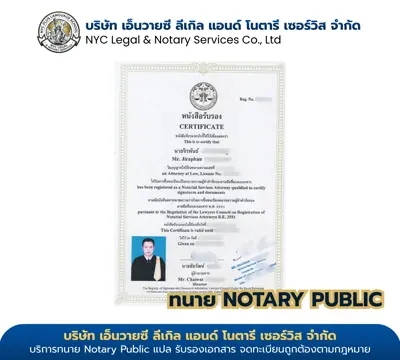
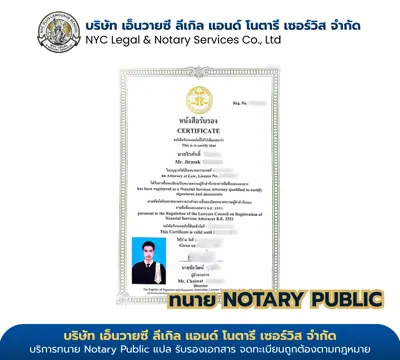
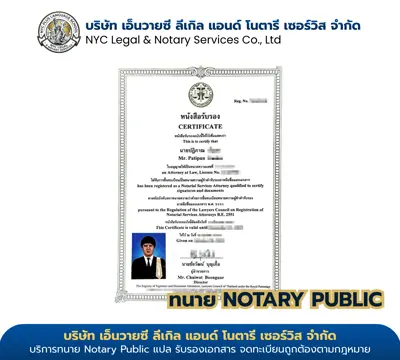
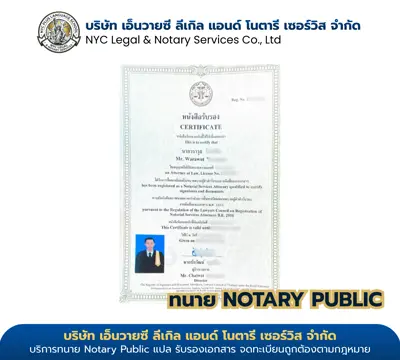
ขึ้นกับข้อกำหนดของหน่วยงานปลายทาง หลายกรณีปลายทางต้องการเพียงคำแปลที่รับรองโดยผู้แปลหรือหน่วยงานแปล แต่บางกรณี เช่น หนังสือรับรองการสนับสนุนค่าใช้จ่าย หนังสือมอบอำนาจ หรือคำให้การประกอบเอกสารการเงิน ปลายทางกำหนดให้ผู้ลงนามลงลายมือชื่อต่อหน้าทนายความผู้ทำคำรับรองลายมือชื่อและเอกสารที่ขึ้นทะเบียนกับสภาทนายความ สิ่งที่ทนายรับรองคือความถูกต้องของลายมือชื่อและตัวบุคคล ไม่ใช่ความถูกต้องของตัวเลขทางการเงิน
›[การรับรอง]เอกสารธนาคารต้องผ่านนิติกรณ์กรมการกงสุลก่อนหรือไม่?
เอกสารที่ออกโดยเอกชน เช่น ธนาคารหรือบริษัท โดยทั่วไปไม่สามารถยื่นนิติกรณ์ได้โดยตรง ต้องผ่านขั้นตอนที่ทำให้มีลายมือชื่อที่หน่วยงานรับรองได้ก่อน เช่น การรับรองลายมือชื่อโดยทนายความผู้ทำคำรับรองลายมือชื่อและเอกสาร หรือการรับรองผ่านหน่วยงานที่ปลายทางยอมรับ จากนั้นจึงยื่นที่กองสัญชาติและนิติกรณ์ กรมการกงสุล ขั้นตอนและเอกสารประกอบเป็นไปตามระเบียบที่กรมการกงสุลประกาศ (consular.mfa.go.th) จึงควรยืนยันแนวปฏิบัติล่าสุดก่อนเดินเรื่องทุกครั้ง
›[การรับรอง]เอกสารการเงินขอ Apostille ได้หรือไม่?
ประเทศไทยเป็นภาคีอนุสัญญา Apostille ของ HCCH โดยมีผลใช้บังคับตั้งแต่ 2 ธันวาคม 2568 (hcch.net) เอกสารที่จะขอ Apostille ต้องเป็นเอกสารมหาชนตามอนุสัญญา ซึ่งรวมถึงเอกสารเอกชนที่ผ่านการรับรองลายมือชื่ออย่างเป็นทางการแล้ว ดังนั้นเอกสารการเงินของเอกชน เช่น หนังสือรับรองจากธนาคาร มักต้องผ่านการรับรองลายมือชื่อก่อนจึงจะเข้าข่าย ทั้งนี้ Apostille รับรองเพียงลายมือชื่อ ตำแหน่งผู้ลงนาม และตราประทับ ไม่ได้รับรองความถูกต้องของตัวเลขหรือข้อเท็จจริงในเอกสาร และหากประเทศปลายทางไม่ใช่ภาคี ต้องรับรองต่อที่สถานทูตของประเทศนั้น
›[การรับรอง]ประเทศปลายทางไม่ใช่ภาคี Apostille ต้องทำอย่างไร?
ต้องใช้ขั้นตอนรับรองแบบเดิม คือ แปลและรับรองคำแปล → รับรองลายมือชื่อตามที่ปลายทางกำหนด → รับรองนิติกรณ์ที่กรมการกงสุล → นำไปรับรองต่อที่สถานเอกอัครราชทูตหรือสถานกงสุลของประเทศปลายทางในประเทศไทย แต่ละสถานทูตมีเงื่อนไขเฉพาะ เช่น จำนวนชุดสำเนา ภาษาที่ยอมรับ การนัดหมายล่วงหน้า และอายุเอกสารที่รับ จึงต้องตรวจสอบจากเว็บไซต์ของสถานทูตนั้นโดยตรงก่อนดำเนินการ
›[คำแปล]ตัวเลข สกุลเงิน และวันที่ในเอกสารการเงิน แปลอย่างไรให้ปลอดภัย?
หลักปฏิบัติคือคงตัวเลขให้ตรงต้นฉบับทุกหลัก ไม่ปัดเศษ ไม่แปลงสกุลเงิน และระบุสกุลเงินตามรหัสสากล เช่น THB สำหรับเงินบาท วันที่ควรแปลงเป็นรูปแบบสากลที่ไม่กำกวมและระบุปีคริสต์ศักราชกำกับเมื่อต้นฉบับใช้พุทธศักราช ชื่อบุคคลต้องสะกดตรงกับหนังสือเดินทาง ชื่อธนาคารและสาขาให้ใช้ชื่อภาษาอังกฤษที่ธนาคารใช้อย่างเป็นทางการ และต้องแปลข้อความในตราประทับและลายมือชื่อกำกับด้วย การแก้ไขหรือปรับตัวเลขใด ๆ ให้ดูดีขึ้นถือเป็นการปลอมแปลงเอกสารและเราไม่ดำเนินการให้ในทุกกรณี
›[คำแปล]เอกสารการเงินหลายสิบหน้า ต้องแปลทั้งหมดหรือไม่?
ตามหลักแล้วต้องแปลทุกหน้าที่ยื่น เพราะการแปลเพียงบางหน้าอาจถูกมองว่าเลือกแสดงข้อมูลเฉพาะส่วน หากปลายทางกำหนดช่วงเวลาย้อนหลังไว้ ให้ยื่นและแปลเฉพาะช่วงเวลานั้นทั้งช่วงโดยไม่ข้ามเดือน ในกรณี statement ที่มีรายการจำนวนมาก บางปลายทางยอมรับรูปแบบสรุปที่ธนาคารออกให้ ซึ่งควรยืนยันกับปลายทางก่อน เพื่อไม่ให้เสียเวลาแปลเอกสารเกินความจำเป็น
›[ความเป็นส่วนตัว]ส่งเอกสารการเงินให้ทีมงานอย่างไรจึงปลอดภัย?
ควรส่งไฟล์ผ่านช่องทางที่ระบุตัวตนได้และไม่เผยแพร่สาธารณะ เช่น LINE บัญชีทางการของเรา หรืออีเมลของบริษัท พร้อมตั้งชื่อไฟล์ให้ชัดเจน หลีกเลี่ยงการโพสต์เอกสารในกลุ่มสาธารณะหรือช่องทางที่บุคคลอื่นเข้าถึงได้ เราใช้เอกสารเพื่อการแปลและการรับรองตามที่ท่านมอบหมายเท่านั้น ไม่นำตัวเลขทางการเงินของลูกค้าไปเผยแพร่หรือใช้เป็นตัวอย่างในเว็บไซต์ และหากท่านต้องการให้ลบไฟล์หลังงานเสร็จ สามารถแจ้งเจ้าหน้าที่ได้
›[ข้อผิดพลาด]สาเหตุที่เอกสารการเงินถูกปฏิเสธบ่อยที่สุดคืออะไร?
ที่พบบ่อยได้แก่ (1) ใช้ภาพหน้าจอหรือไฟล์ที่พิมพ์เองแทนเอกสารที่ธนาคารรับรอง (2) ช่วงเวลาของ statement ไม่ครบตามที่ปลายทางกำหนดหรือเว้นบางเดือน (3) ชื่อในบัญชีสะกดไม่ตรงกับหนังสือเดินทาง (4) มีเงินก้อนใหญ่เข้าบัญชีก่อนยื่นโดยไม่มีคำอธิบายที่มา (5) วันที่ออกเอกสารเก่าเกินกว่าที่ปลายทางรับ (6) แปลไม่ครบทุกหน้าหรือไม่แปลตราประทับ และ (7) ลำดับการรับรองผิดขั้นตอน เช่น ยื่นนิติกรณ์ก่อนมีการรับรองลายมือชื่อ การตรวจสอบ checklist ของปลายทางก่อนเริ่มงานช่วยลดปัญหาเหล่านี้ได้มาก
›[ข้อผิดพลาด]เอกสารการเงินมีอายุการใช้งานหรือไม่?
หน่วยงานปลายทางส่วนใหญ่กำหนดให้เอกสารการเงินต้องใหม่ เพราะสถานะทางการเงินเปลี่ยนแปลงได้ตลอดเวลา แต่ระยะเวลาที่ยอมรับต่างกันตามประเทศ ประเภทวีซ่า และสถาบัน จึงไม่มีตัวเลขกลางที่ใช้ได้ทุกกรณี วิธีที่ปลอดภัยคืออ่านข้อกำหนดของปลายทางในรอบที่ท่านยื่น และวางแผนให้วันที่ออกเอกสารใกล้กับวันยื่นมากที่สุดเท่าที่ขั้นตอนการแปลและการรับรองจะเอื้ออำนวย หากขั้นตอนรับรองใช้เวลานาน ควรขอเอกสารฉบับใหม่ก่อนยื่นจริง
›[ต่างประเทศ]อยู่ต่างประเทศ ดำเนินการเรื่องเอกสารการเงินไทยได้อย่างไร?
ทำได้โดยส่งไฟล์สแกนคุณภาพสูงให้เราประเมินก่อน จากนั้นจัดส่งต้นฉบับทางไปรษณีย์หรือมอบอำนาจให้ผู้แทนในประเทศไทยดำเนินการแทน สำหรับเอกสารที่ต้องลงนามต่อหน้าทนายความ ท่านอาจต้องดำเนินการที่สถานเอกอัครราชทูตหรือสถานกงสุลไทยในประเทศที่ท่านอยู่ตามแนวปฏิบัติของสถานที่นั้น เอกสารที่ออกในต่างประเทศและจะนำมาใช้ในไทยก็มีเส้นทางย้อนกลับเช่นกัน คือรับรองในประเทศต้นทางแล้วจึงแปลและรับรองในไทย รายละเอียดของแต่ละกรณีสอบถามเจ้าหน้าที่ได้ทางโทรศัพท์ LINE หรืออีเมล
›[ติดต่อ]ค่าบริการและระยะเวลาดำเนินการทราบได้อย่างไร?
เราไม่ประกาศอัตราค่าบริการและระยะเวลาไว้ในหน้านี้ เพราะจำนวนหน้า ภาษาปลายทาง จำนวนชุด และขั้นตอนการรับรองที่ต้องใช้แตกต่างกันในแต่ละงาน อีกทั้งค่าธรรมเนียมของหน่วยงานราชการและสถานทูตมีการปรับปรุงเป็นระยะ กรุณาส่งไฟล์ตัวอย่างและแจ้งประเทศปลายทางกับกำหนดยื่นให้เจ้าหน้าที่ทางโทรศัพท์ LINE หรืออีเมล เจ้าหน้าที่จะประเมินขอบเขตงาน ลำดับขั้นตอน และกรอบเวลาที่เป็นไปได้ให้ท่านทราบก่อนเริ่มงาน
›[ติดต่อ]ข้อจำกัดของบริการที่ควรทราบก่อนใช้บริการมีอะไรบ้าง?
เราเป็นผู้ให้บริการด้านการแปลและการประสานงานรับรองเอกสาร ไม่ใช่สถาบันการเงิน ผู้สอบบัญชี หรือที่ปรึกษาภาษี เราจึงไม่ออกเอกสารการเงินแทนธนาคาร ไม่แก้ไขตัวเลขในเอกสารต้นฉบับ ไม่ให้คำรับรองว่าท่านจะได้รับอนุมัติวีซ่า สินเชื่อ หรือสิทธิประโยชน์ทางภาษีใด ๆ และไม่ให้คำแนะนำเรื่องการวางแผนภาษีเฉพาะราย ข้อมูลในหน้านี้เป็นข้อมูลทั่วไปที่รวบรวมจากแหล่งราชการและควรตรวจสอบกับหน่วยงานที่เกี่ยวข้องก่อนดำเนินการจริงเสมอ
›[Overview]What Thai financial, bank and tax documents do you handle?
We translate and arrange certification for bank statements, bank balance-confirmation and financial-standing letters, payslips and salary certificates, withholding-tax certificates (form 50 Bis under section 50 Bis of the Revenue Code), personal income tax returns (PND 90/91), corporate returns (PND 50), VAT documents (PP.20, PP.30), certificates of tax residence (R.O.22), audited financial statements, investment and life-insurance documents, loan agreements, settlement letters and credit-bureau reports. Our scope covers certified translation, signature certification by a Thai notarial services attorney, coordination of consular legalisation at the Department of Consular Affairs, and apostille for Convention states. We do not issue financial documents on a bank's behalf, alter figures, or vouch that an applicant's finances are sufficient.
›[Overview]Why do embassies and universities ask for financial documents?
The receiving authority uses them to assess whether you can fund tuition, living costs and travel for the period requested, and whether the source of the funds is consistent with your declared income. That is why documents must be issued by a bank or competent authority, bear an authorised signature and seal, and remain fully legible after translation. Required amounts, statement look-back periods and accepted formats differ by country and visa type, so confirm the current checklist with the embassy or institution before you prepare anything.
›[Statements]How many months of bank statements are required?
There is no single global standard; each embassy and institution sets its own look-back period, normally published in its document checklist. Read the latest official checklist for your destination, then ask your bank for statements covering exactly that period without skipping months. In all cases request the bank-issued version bearing the branch seal and an officer's signature rather than an app screenshot, and keep the issue date as close to your submission date as the certification steps allow.
›[Statements]Can I use a statement downloaded from my banking app?
Many receiving authorities reject self-printed or self-downloaded files because there is no bank signature or seal to verify. If the destination requires a bank-certified document, visit a branch and request the sealed version. This matters even more when the document must pass through consular legalisation or apostille, because those steps certify a signature, position and seal — not the content of the document.
›[Statements]My statement is already in English. Do I still need a translation?
If the destination accepts English and the bank issues the statement fully in English, a further translation is usually unnecessary. If the destination requires another language — German, French, Japanese, Chinese, Korean and so on — a certified translation into that language is needed. Also note that many Thai statements mix Thai text into branch names, account types or seal wording; those parts must be translated so the whole document is readable to the reviewing officer.
›[Bank letters]How does a bank certificate differ from a statement?
A bank certificate (balance-confirmation letter) confirms the balance held as at a stated date. A statement lists account movements over a period. Many authorities ask for both: the certificate proves a verifiable balance on the issue date, while the statement shows account behaviour and the source of funds. If the checklist is not explicit, prepare both and confirm the requirement with the embassy or institution first.
›[Bank letters]Will a Thai bank issue the letter in English?
Most Thai commercial banks have English-language certificate templates available at branch level, but conditions, processing time and request channels differ by bank and account type. Ask the branch where the account was opened and state the purpose clearly — visa application, study application, and so on — so the letter is issued in a format the destination accepts. If the bank issues Thai only, we can provide a certified translation.
›[Sponsors]My parents are sponsoring me. What do we need?
Destinations generally ask for three parts: (1) the sponsor's financial evidence — statements, balance certificates, income evidence or tax returns; (2) a signed sponsorship letter, which many countries require to be signed before a notarial services attorney registered with the Lawyers Council of Thailand; and (3) proof of relationship such as a birth certificate, house registration or marriage certificate with certified translation. The wording required in the letter and the certification route depend on the destination's checklist, so verify it before signing.
›[Income]What is the difference between a salary certificate and payslips?
A salary certificate is issued by the employer's HR or an authorised signatory and states position, start date and salary. Payslips show the actual monthly payment and deductions. Authorities often want both, so that declared income can be matched against credits appearing in your bank statement. Translations must preserve the company name, job title, currency and every figure exactly. If payslip amounts and bank credits do not match, prepare a short written explanation.
›[Tax]What is a form 50 Bis withholding-tax certificate used for?
Issued under section 50 Bis of the Thai Revenue Code, it is the certificate a payer gives a recipient showing income paid and tax withheld for that tax year. In visa and study applications it evidences income on which tax was actually withheld, which carries more weight than self-declared income. For overseas use it needs a certified translation, and if the destination requires further authentication it must pass consular legalisation or apostille. Form details and withholding duties are published by the Revenue Department (rd.go.th).
›[Tax]What is the difference between PND 90 and PND 91?
Both are Thai personal income tax returns under the Revenue Code. PND 91 is for taxpayers whose income comes only from employment (salary); PND 90 is for taxpayers with other income categories or a mix of categories. For overseas submission, also obtain the filing evidence and receipt generated by the Revenue Department system, since some destinations want proof the return was actually filed. Filing conditions and deadlines should be checked against the Revenue Department's current announcements (rd.go.th).
›[Tax]When do I need a certificate of tax residence (R.O.22)?
It is used when a taxpayer claims benefits under a double-taxation agreement between Thailand and a treaty partner — for example to reduce withholding tax abroad. The Revenue Department issues it to confirm Thai tax-resident status for the tax year stated. Application steps, supporting documents and processing time are set by the Revenue Department, so check the current details at rd.go.th or with your area revenue office before starting. Once issued, we can provide a certified translation and coordinate any further authentication.
›[Corporate]How should company financial statements be prepared for overseas counterparties?
Use the version signed and opined on by a licensed Thai certified public accountant, together with evidence of filing with the Department of Business Development (dbd.go.th), because overseas counterparties often verify that the statements were actually filed. Then translate the statement of financial position, profit and loss statement, notes to the financial statements and the auditor's report, with a certified translation. If further authentication is required, an authorised signatory signs before a notarial services attorney, after which the file goes to consular legalisation or apostille depending on the destination.
›[Corporate]What is PP.20 and why do overseas partners ask for it?
PP.20 is the VAT registration certificate issued by the Thai Revenue Department to a registered VAT operator. Overseas partners request it for vendor onboarding, tenders, or filings with authorities in their own country. For overseas use it needs a certified translation, and consular legalisation or an apostille where the destination requires it. Check that the company name and address on it match the current company affidavit, otherwise the document may be queried.
›[Credit]How do I obtain and translate a Thai credit-bureau report?
Credit reports are issued by the National Credit Bureau under the Credit Information Business Act B.E. 2545. Data owners are entitled to request their own report through the channels the bureau publishes (ncb.co.th). Once you have the official report we can provide a certified translation for overseas loan or visa purposes. Because the report contains extensive personal data, only submit it where it is genuinely requested.
›[Certification]Does a translated financial document need notarial certification?
It depends on the receiving authority. Many accept a translation certified by the translator or translation provider. Others — typically for sponsorship letters, powers of attorney or affidavits accompanying financial evidence — require the signatory to sign before a notarial services attorney registered with the Lawyers Council of Thailand. What the attorney certifies is the authenticity of the signature and the identity of the signer, not the accuracy of the financial figures.
›[Certification]Can bank documents go straight to consular legalisation?
Privately issued documents such as bank or company letters generally cannot be submitted to consular legalisation directly. They first need a signature that the authority can verify — for example certification by a notarial services attorney, or another route the destination accepts. The file is then submitted to the Legalisation Division of the Department of Consular Affairs. Procedures and supporting documents follow the department's published rules (consular.mfa.go.th), so confirm current practice before starting.
›[Certification]Can financial documents be apostilled?
Thailand is a party to the HCCH Apostille Convention, in force for Thailand since 2 December 2025 (hcch.net). Only public documents within the Convention's scope can be apostilled, which includes private documents that have received official certification of the signature. Bank letters and other private financial documents therefore normally need signature certification first. An apostille certifies only the signature, the capacity of the signer and the seal — never the accuracy of figures or facts. If the destination is not a Convention state, embassy legalisation is required instead.
›[Certification]What if the destination country is not an Apostille state?
The traditional chain applies: certified translation, then signature certification as required by the destination, then consular legalisation at the Department of Consular Affairs, then legalisation at that country's embassy or consulate in Thailand. Each embassy sets its own conditions — number of copies, accepted languages, appointment booking and how recent the document must be — so check that embassy's official website directly before starting.
›[Translation]How are figures, currencies and dates handled in translation?
Figures are reproduced exactly, with no rounding and no currency conversion, and currencies are stated with international codes such as THB for Thai baht. Dates are rendered in an unambiguous international format, with the Gregorian year added where the original uses the Buddhist era. Personal names must match the passport spelling, and bank and branch names follow the bank's own official English names. Seal and endorsement text is translated too. Altering any figure to look more favourable is document forgery and we will not do it under any circumstances.
›[Translation]Do all pages of a long financial file need translating?
As a rule, every page you submit must be translated, since translating only selected pages can look like selective disclosure. Where the destination specifies a look-back period, submit and translate that whole period without skipping months. For statements with very many lines, some destinations accept a bank-issued summary format — confirm this with the destination first so you do not pay to translate more than required.
›[Privacy]How should I send financial documents to your team securely?
Send files through identifiable, non-public channels such as our official LINE account or company email, with clear file names. Avoid posting documents in public groups or channels others can read. We use documents only for the translation and certification work you instruct, never publish client financial figures or use them as website samples, and can delete files after completion on request.
›[Pitfalls]Why are financial documents most often rejected?
The most common causes are: using screenshots or self-printed files instead of bank-certified documents; statement periods that are incomplete or skip months; account names not matching the passport spelling; large unexplained deposits shortly before submission; an issue date older than the destination accepts; incomplete translation, including untranslated seals; and certification steps done in the wrong order, such as attempting legalisation before signature certification. Reading the destination's checklist before work starts prevents most of these.
›[Pitfalls]Do financial documents expire?
Most authorities require recent financial evidence because a financial position changes over time, but the accepted age differs by country, visa type and institution, so no single figure applies everywhere. The safe approach is to read the destination's requirements for the intake you are applying to and plan so the issue date is as close to submission as the translation and certification steps permit. If certification will take a long time, obtain a fresh document before filing.
›[From abroad]Can this be handled while I am overseas?
Yes. Send high-quality scans for assessment first, then post the originals or appoint a representative in Thailand. Documents that must be signed in person before an attorney may instead be handled at a Royal Thai Embassy or Consulate-General where you live, following that mission's practice. Documents issued abroad for use in Thailand follow the reverse path: authentication in the country of origin, then translation and certification in Thailand. Ask our staff by phone, LINE or email about your specific case.
›[Contact]How do I find out fees and turnaround times?
We do not publish fees or turnaround times on this page because page count, target language, number of copies and the certification steps required differ for every file, and government and embassy fees are revised from time to time. Send sample files and tell us the destination country and your filing deadline by phone, LINE or email, and our staff will scope the work, set out the order of steps and give you a realistic timeframe before work begins.
›[Contact]What are the limits of your service?
We are a translation and document-certification coordination provider — not a financial institution, an audit firm or a tax adviser. We do not issue financial documents on a bank's behalf, do not amend figures in source documents, do not guarantee approval of a visa, loan or tax benefit, and do not give case-specific tax planning advice. The information on this page is general, drawn from official sources, and should always be verified with the relevant authority before you act.