›[พื้นฐาน]พิธีการศุลกากรของไทยอยู่ภายใต้กฎหมายฉบับใด?
พระราชบัญญัติศุลกากร พ.ศ. 2560 เป็นกฎหมายแม่บทที่ใช้บังคับกับการนำของเข้าและส่งของออก โดยกรมศุลกากร กระทรวงการคลัง เป็นหน่วยงานผู้รักษาการและออกประกาศกรมศุลกากรกำหนดรายละเอียดพิธีการเพิ่มเติมเป็นระยะ ผู้นำเข้าและผู้ส่งออกจึงควรตรวจประกาศฉบับล่าสุดที่ customs.go.th ก่อนดำเนินการทุกครั้ง
›[พื้นฐาน]ใบขนสินค้าขาเข้าและขาออกคืออะไร?
คือแบบแสดงรายการของที่ผู้นำของเข้าหรือผู้ส่งของออกต้องยื่นต่อกรมศุลกากรเพื่อผ่านพิธีการ ระบุรายละเอียดของ พิกัดอัตราศุลกากร ราคา ปริมาณ ประเทศต้นทางหรือปลายทาง และเอกสารประกอบ ปัจจุบันกรมศุลกากรให้ยื่นผ่านระบบพิธีการศุลกากรอิเล็กทรอนิกส์เป็นหลัก
›[พื้นฐาน]เอกสารประกอบพิธีการนำเข้าโดยทั่วไปมีอะไรบ้าง?
โดยทั่วไปได้แก่ ใบกำกับราคาสินค้า (Invoice) บัญชีรายละเอียดบรรจุหีบห่อ (Packing List) ใบตราส่งสินค้า (Bill of Lading หรือ Air Waybill) และเอกสารอื่นตามลักษณะของ เช่น ใบอนุญาตนำเข้าของหน่วยงานที่กำกับดูแล หรือหนังสือรับรองถิ่นกำเนิดสินค้าเมื่อขอใช้สิทธิพิเศษทางภาษี รายการที่แน่นอนขึ้นกับชนิดของและประกาศที่ใช้บังคับในขณะนั้น
›[พื้นฐาน]ต้องลงทะเบียนกับกรมศุลกากรก่อนนำเข้าหรือส่งออกหรือไม่?
ผู้ประกอบการต้องลงทะเบียนเป็นผู้ผ่านพิธีการศุลกากรทางอิเล็กทรอนิกส์กับกรมศุลกากรก่อน โดยยื่นเอกสารแสดงตัวตนและเอกสารนิติบุคคล เช่น หนังสือรับรองการจดทะเบียนนิติบุคคลของกรมพัฒนาธุรกิจการค้า และเอกสารผู้มีอำนาจลงนาม ควรตรวจแบบฟอร์มและช่องทางลงทะเบียนล่าสุดที่ customs.go.th
›[เอกสารการค้า]Invoice และ Packing List ต้องมีข้อมูลอะไรเป็นสาระสำคัญ?
สาระสำคัญคือชื่อและที่อยู่ผู้ซื้อผู้ขาย เลขที่และวันที่เอกสาร รายละเอียดสินค้า ปริมาณ หน่วย ราคาต่อหน่วยและราคารวม สกุลเงิน เงื่อนไขการส่งมอบและการชำระเงิน ส่วน Packing List ระบุจำนวนหีบห่อ น้ำหนักสุทธิและน้ำหนักรวม และเครื่องหมายหีบห่อ ข้อมูลในทั้งสองฉบับต้องสอดคล้องกับใบขนสินค้าและใบตราส่ง เพราะความไม่ตรงกันเป็นสาเหตุการตรวจสอบเพิ่มที่พบบ่อย
›[เอกสารการค้า]Bill of Lading กับ Air Waybill ต่างกันอย่างไร?
Bill of Lading คือใบตราส่งสินค้าทางทะเลที่ผู้ขนส่งออกให้ ซึ่งแบบ negotiable ใช้เป็นเอกสารแสดงสิทธิในสินค้าและต้องเวนคืนต้นฉบับเพื่อรับของ ส่วน Air Waybill คือใบตราส่งทางอากาศซึ่งโดยสภาพไม่ใช่เอกสารแสดงสิทธิในสินค้า ผู้รับตราส่งที่ระบุชื่อไว้เป็นผู้มีสิทธิรับของ ความต่างนี้มีผลต่อวิธีส่งมอบเอกสารและการชำระเงินผ่านธนาคาร
›[เอกสารการค้า]เอกสารการค้าที่เป็นภาษาต่างประเทศต้องแปลหรือไม่?
หน่วยงานราชการไทยและคู่ค้าปลายทางอาจขอคำแปลเป็นภาษาไทยหรืออังกฤษพร้อมคำรับรองความถูกต้องของคำแปล โดยเฉพาะเมื่อใช้ประกอบการอุทธรณ์ การตรวจสอบภายหลังการตรวจปล่อย หรือการยื่นต่อศาลและอนุญาโตตุลาการ ควรสอบถามหน่วยงานผู้รับเอกสารว่าต้องการคำแปลรับรองรูปแบบใดก่อนแปล
›[ถิ่นกำเนิดสินค้า]หนังสือรับรองถิ่นกำเนิดสินค้า (Certificate of Origin) คืออะไร?
คือเอกสารที่รับรองว่าสินค้ามีถิ่นกำเนิดในประเทศที่ระบุ ใช้ประกอบการนำเข้าที่ปลายทางเพื่อพิสูจน์แหล่งกำเนิด และในหลายกรณีใช้ขอรับสิทธิพิเศษทางภาษีศุลกากรภายใต้ความตกลงการค้าเสรี ในประเทศไทยหน่วยงานที่ออกให้ ได้แก่ กรมการค้าต่างประเทศ กระทรวงพาณิชย์ และหอการค้าไทยสำหรับแบบทั่วไป
›[ถิ่นกำเนิดสินค้า]C/O แบบทั่วไปกับแบบพิเศษต่างกันอย่างไร?
แบบทั่วไป (Ordinary C/O) ใช้รับรองแหล่งกำเนิดสำหรับการค้าโดยทั่วไปที่ไม่ได้ขอลดหย่อนอากร ส่วนแบบพิเศษหรือแบบสิทธิพิเศษออกภายใต้ความตกลงการค้าเสรีหรือระบบสิทธิพิเศษทางภาษี เช่น ฟอร์มที่ใช้กับอาเซียนหรือความตกลงระดับภูมิภาค ซึ่งมีกฎว่าด้วยถิ่นกำเนิดสินค้าเฉพาะและต้องยื่นภายในเงื่อนไขของความตกลงนั้น ควรตรวจฟอร์มที่ถูกต้องกับกรมการค้าต่างประเทศก่อนยื่น
›[ถิ่นกำเนิดสินค้า]ขอ C/O ได้ที่ไหนและยื่นออนไลน์ได้หรือไม่?
กรมการค้าต่างประเทศให้บริการออกหนังสือรับรองถิ่นกำเนิดสินค้าผ่านระบบอิเล็กทรอนิกส์ควบคู่กับการยื่นที่สำนักงาน และหอการค้าไทยให้บริการออกแบบทั่วไปสำหรับสมาชิกและผู้ประกอบการทั่วไป เงื่อนไขการลงทะเบียน ลายมือชื่ออิเล็กทรอนิกส์ และรูปแบบ e-Form เปลี่ยนแปลงได้ ควรตรวจที่ dft.go.th และ thaichamber.org ก่อนยื่นทุกครั้ง
›[ถิ่นกำเนิดสินค้า]ปลายทางปฏิเสธ C/O เพราะเหตุใดบ่อยที่สุด?
สาเหตุที่พบบ่อยคือข้อมูลในหนังสือรับรองไม่ตรงกับใบกำกับราคาสินค้าและใบขนสินค้า เช่น พิกัดศุลกากร ปริมาณ หรือชื่อผู้รับสินค้า การยื่นเกินกำหนดเวลาที่ความตกลงกำหนด การใช้ฟอร์มผิดประเภท และลายมือชื่อหรือตราประทับที่ปลายทางตรวจสอบไม่ได้ ควรทวนความสอดคล้องของเอกสารทุกฉบับก่อนส่งออก
›[ATA Carnet]ATA Carnet คืออะไรและใครออกให้ในประเทศไทย?
ATA Carnet คือเอกสารศุลกากรระหว่างประเทศที่ใช้แทนใบขนสินค้าและการวางประกันสำหรับการนำของเข้าชั่วคราว เช่น ของไปจัดแสดงในงานแสดงสินค้า ตัวอย่างสินค้า และอุปกรณ์ประกอบวิชาชีพ ในประเทศไทยหอการค้าไทยเป็นหน่วยงานผู้ออกและผู้ค้ำประกันตามระบบ ATA ที่ประสานงานผ่านหอการค้านานาชาติ
›[ATA Carnet]ATA Carnet ใช้ได้กับสินค้าทุกประเภทหรือไม่?
ไม่ใช่ ระบบนี้ออกแบบสำหรับของที่นำเข้าชั่วคราวและต้องส่งกลับในสภาพเดิม จึงไม่ครอบคลุมของที่นำเข้าเพื่อจำหน่าย ของสิ้นเปลือง หรือของที่จะถูกแปรสภาพ นอกจากนี้ประเทศปลายทางแต่ละแห่งกำหนดประเภทของที่รับได้ต่างกัน ควรตรวจกับหอการค้าไทยและหน่วยงานศุลกากรปลายทางก่อนเดินทาง
›[ATA Carnet]ATA Carnet มีอายุเท่าไร?
โดยหลักสากล เอกสารมีอายุไม่เกิน 1 ปีนับแต่วันออก และภายในอายุนั้นประเทศปลายทางอาจกำหนดระยะเวลาที่ของอยู่ในประเทศสั้นกว่านั้นได้ การไม่ส่งของกลับภายในกำหนดทำให้ผู้ถือต้องรับผิดชอบอากรและค่าปรับตามกฎหมายของประเทศนั้น ควรยืนยันเงื่อนไขกับผู้ออกเอกสารก่อนใช้งาน
›[ย้ายถิ่นฐาน]ย้ายกลับมาอยู่ประเทศไทยจะนำของใช้ในบ้านเรือนกลับมาต้องทำอย่างไร?
การนำของใช้ในบ้านเรือนที่ใช้แล้วเข้ามาพร้อมการย้ายภูมิลำเนาเป็นพิธีการเฉพาะที่กรมศุลกากรกำหนดเงื่อนไขไว้ เช่น ผู้นำของเข้าต้องแสดงหลักฐานการย้ายภูมิลำเนากลับ ระยะเวลาที่พำนักในต่างประเทศ และรายการของที่ใช้แล้วตามที่ประกาศกำหนด สิทธิและข้อจำกัดแตกต่างกันตามสถานะของผู้นำเข้า จึงต้องตรวจประกาศฉบับที่ใช้บังคับในวันนำเข้าที่ customs.go.th หรือสอบถามด่านศุลกากรที่ของจะมาถึงโดยตรง
›[ย้ายถิ่นฐาน]เอกสารส่วนบุคคลที่ใช้ประกอบพิธีการย้ายของกลับมีอะไรบ้าง?
โดยทั่วไปคือหนังสือเดินทางที่แสดงประวัติการเดินทางและการพำนัก หลักฐานการทำงานหรือการศึกษาในต่างประเทศ หลักฐานการสิ้นสุดสัญญาจ้างหรือการย้ายกลับ ใบตราส่งของ และบัญชีรายการสิ่งของ เอกสารต่างประเทศที่เป็นภาษาอื่นมักต้องมีคำแปลรับรอง และบางกรณีหน่วยงานขอให้ผ่านการรับรองนิติกรณ์ก่อน
›[ย้ายถิ่นฐาน]ชาวต่างชาติที่ย้ายเข้ามาทำงานในไทยนำของใช้ส่วนตัวเข้ามาได้หรือไม่?
ได้ตามเงื่อนไขที่กรมศุลกากรกำหนด ซึ่งพิจารณาจากประเภทการตรวจลงตราและใบอนุญาตทำงาน ระยะเวลาที่ได้รับอนุญาตให้อยู่ในราชอาณาจักร และลักษณะของของที่นำเข้า เอกสารประกอบมักรวมถึงหนังสือเดินทาง การตรวจลงตรา ใบอนุญาตทำงาน และหนังสือรับรองจากนายจ้าง ซึ่งเอกสารต่างประเทศต้องมีคำแปลรับรอง
›[ใบอนุญาต]สินค้าควบคุมคืออะไร และต้องขออนุญาตจากใคร?
คือของที่มีกฎหมายเฉพาะกำหนดให้ต้องได้รับอนุญาตก่อนนำเข้าหรือส่งออก เช่น อาหารและยาอยู่ในความดูแลของสำนักงานคณะกรรมการอาหารและยา พืชและสัตว์อยู่ในความดูแลของกรมวิชาการเกษตรและกรมปศุสัตว์ และสินค้าบางรายการต้องขออนุญาตจากกรมการค้าต่างประเทศ กรมศุลกากรจะตรวจปล่อยเมื่อใบอนุญาตครบถ้วน จึงต้องตรวจว่าพิกัดสินค้าของท่านอยู่ในบัญชีควบคุมของหน่วยงานใดก่อนสั่งซื้อ
›[ใบอนุญาต]ใบอนุญาตนำเข้าที่ออกโดยหน่วยงานต่างประเทศใช้ในไทยได้เลยหรือไม่?
ไม่ได้โดยอัตโนมัติ เอกสารที่ออกโดยหน่วยงานต่างประเทศ เช่น หนังสือรับรองสุขอนามัย หนังสือรับรองการวิเคราะห์ หรือหนังสือรับรองการจำหน่ายเสรี มักต้องผ่านการรับรองตามลำดับขั้นของประเทศต้นทางและมีคำแปลรับรองก่อนยื่นต่อหน่วยงานไทย รูปแบบการรับรองที่ยอมรับขึ้นกับหน่วยงานผู้รับ ควรสอบถามก่อนดำเนินการ
›[มอบอำนาจ]หนังสือมอบอำนาจให้ตัวแทนออกของต้องทำอย่างไร?
ผู้นำเข้าหรือผู้ส่งออกที่ให้ตัวแทนออกของดำเนินพิธีการแทนต้องทำหนังสือมอบอำนาจระบุขอบเขตอำนาจให้ชัดเจน ลงลายมือชื่อผู้มีอำนาจตามหนังสือรับรองนิติบุคคล ประทับตราสำคัญของบริษัทหากข้อบังคับกำหนด และปิดอากรแสตมป์ตามประมวลรัษฎากร กรณีผู้มอบอำนาจอยู่ต่างประเทศมักต้องให้ทนายความผู้ทำคำรับรองลายมือชื่อและเอกสาร หรือเจ้าหน้าที่กงสุลรับรองลายมือชื่อก่อนส่งกลับมาใช้
›[มอบอำนาจ]กรรมการบริษัทอยู่ต่างประเทศจะลงนามเอกสารศุลกากรอย่างไร?
แนวทางที่ใช้กันคือให้กรรมการลงลายมือชื่อต่อหน้าผู้มีอำนาจรับรองในประเทศที่พำนัก เช่น Notary Public หรือเจ้าหน้าที่สถานเอกอัครราชทูตไทย จากนั้นนำเอกสารเข้าสู่ลำดับขั้นการรับรองที่ประเทศปลายทางยอมรับ ก่อนส่งต้นฉบับกลับมาใช้ในไทยพร้อมคำแปลรับรองหากเอกสารเป็นภาษาต่างประเทศ
›[นิติบุคคล]เอกสารนิติบุคคลไทยที่จะใช้กับคู่ค้าต่างประเทศต้องรับรองอย่างไร?
โดยทั่วไปใช้หนังสือรับรองการจดทะเบียนนิติบุคคลของกรมพัฒนาธุรกิจการค้าฉบับล่าสุด พร้อมคำแปลรับรอง แล้วนำเข้าสู่งานนิติกรณ์ของกรมการกงสุล จากนั้นแล้วแต่ประเทศปลายทาง หากเป็นภาคี Apostille ก็ขอ Apostille ได้ตั้งแต่ 2 ธันวาคม 2568 เป็นต้นไป หากไม่ใช่ภาคีต้องนำไปรับรองต่อที่สถานเอกอัครราชทูตของประเทศนั้นในไทย
›[นิติบุคคล]หนังสือรับรองนิติบุคคลควรมีอายุไม่เกินเท่าใด?
หน่วยงานผู้รับส่วนใหญ่กำหนดให้ใช้ฉบับที่ออกใหม่ภายในระยะเวลาหนึ่ง เช่น ภายใน 3 หรือ 6 เดือน แล้วแต่ระเบียบของหน่วยงานนั้น เนื่องจากเป็นเอกสารที่สถานะเปลี่ยนแปลงได้ตลอด จึงควรขอฉบับใหม่ให้ใกล้วันยื่นและตรวจข้อกำหนดเรื่องอายุเอกสารกับผู้รับก่อนเริ่มขั้นตอนรับรอง
›[แปลรับรอง]เอกสารศุลกากรและเอกสารการค้าต้องแปลโดยใคร?
หน่วยงานผู้รับเป็นผู้กำหนด กรณีใช้ในไทยมักยอมรับคำแปลที่มีคำรับรองความถูกต้องของผู้แปลพร้อมข้อมูลติดต่อ กรณีนำเข้าสู่งานนิติกรณ์ของกรมการกงสุลต้องเป็นคำแปลที่ตรงกับต้นฉบับทุกรายการ ส่วนการยื่นต่อหน่วยงานรัฐในออสเตรเลียโดยทั่วไปต้องเป็นคำแปลโดยนักแปล NAATI certified ควรยืนยันกับผู้รับก่อนเริ่มแปล
›[แปลรับรอง]ตัวเลข พิกัดศุลกากร และหน่วยวัดในคำแปลต้องระวังอะไร?
ต้องคงรูปให้ตรงกับต้นฉบับทุกตัวอักษร โดยเฉพาะพิกัดอัตราศุลกากร เลขที่ใบตราส่ง เลขที่ใบกำกับราคาสินค้า จำนวน น้ำหนัก และสกุลเงิน หากต้นฉบับใช้เครื่องหมายคั่นหลักพันหรือทศนิยมต่างจากไทยต้องคงรูปเดิมและไม่แปลงหน่วย เพราะความคลาดเคลื่อนแม้เล็กน้อยทำให้เอกสารทั้งชุดไม่สอดคล้องกันและถูกตีกลับ
›[นิติกรณ์]เอกสารการค้าไทยจะนำไปใช้ต่างประเทศต้องผ่านกี่ขั้น?
โดยทั่วไปเริ่มจากได้เอกสารต้นฉบับจากหน่วยงานผู้ออก จัดทำคำแปลรับรอง จากนั้นยื่นงานนิติกรณ์ที่กรมการกงสุล และขั้นสุดท้ายขึ้นกับปลายทาง หากประเทศปลายทางเป็นภาคีอนุสัญญา Apostille และไม่ได้คัดค้านการเข้าเป็นภาคีของไทย ก็ใช้ Apostille แทนการรับรองซ้อนได้ หากไม่ใช่ภาคีต้องนำไปรับรองต่อที่สถานเอกอัครราชทูตหรือสถานกงสุลของประเทศนั้น
›[นิติกรณ์]Apostille มีผลกับประเทศไทยตั้งแต่เมื่อใด?
อนุสัญญา Apostille ของ HCCH มีผลใช้บังคับกับประเทศไทยตั้งแต่วันที่ 2 ธันวาคม 2568 อย่างไรก็ดี ผลจะเกิดระหว่างไทยกับรัฐภาคีที่ไม่ได้คัดค้านการเข้าเป็นภาคีของไทยเท่านั้น จึงต้องตรวจตาราง status ของประเทศปลายทางที่ hcch.net และสอบถามกรมการกงสุลก่อนวางแผนเอกสาร
›[ทนายความ]ทนายความผู้ทำคำรับรองลายมือชื่อและเอกสารช่วยงานเอกสารการค้าอย่างไร?
ช่วยรับรองลายมือชื่อผู้ลงนามในหนังสือมอบอำนาจ สัญญาซื้อขายระหว่างประเทศ หนังสือรับรองข้อเท็จจริง และรับรองสำเนาถูกต้องของเอกสารบริษัท เพื่อให้เอกสารมีความน่าเชื่อถือเพียงพอที่คู่สัญญาหรือหน่วยงานปลายทางจะรับ ทั้งนี้เป็นการรับรองลายมือชื่อและความเป็นเอกสาร ไม่ใช่การรับรองความถูกต้องของเนื้อหาทางธุรกิจ ตามข้อบังคับสภาทนายความ
›[ข้อควรระวัง]ข้อผิดพลาดที่ทำให้ชุดเอกสารนำเข้าส่งออกถูกตีกลับมีอะไรบ้าง?
ที่พบบ่อยคือข้อมูลข้ามฉบับไม่ตรงกัน ใช้ฟอร์มถิ่นกำเนิดผิดประเภท ยื่นเกินกำหนดเวลาของความตกลง ขาดใบอนุญาตของหน่วยงานที่กำกับดูแลสินค้าควบคุม ลายมือชื่อผู้มีอำนาจไม่ตรงกับหนังสือรับรองนิติบุคคล คำแปลตกหล่นตราประทับหรือหมายเหตุท้ายเอกสาร และเอกสารต่างประเทศยังไม่ผ่านลำดับขั้นการรับรองที่ปลายทางกำหนด
›[ข้อควรระวัง]ทำไมเว็บไซต์นี้จึงไม่ระบุอัตราอากรและค่าธรรมเนียม?
เพราะอัตราอากร ค่าธรรมเนียม และเงื่อนไขสิทธิพิเศษทางภาษีกำหนดโดยกฎหมายและประกาศของหน่วยงานรัฐ และมีการแก้ไขเป็นระยะตามพิกัดสินค้าและความตกลงที่ใช้ การอ้างตัวเลขไว้ในหน้าเว็บอาจทำให้ผู้อ่านเข้าใจคลาดเคลื่อน ท่านจึงควรตรวจกับกรมศุลกากรหรือสอบถามเจ้าหน้าที่ของเราทางโทรศัพท์ LINE หรืออีเมลเพื่อรับข้อมูลที่ตรงกับกรณีของท่าน
›[ข้อควรระวัง]ข้อมูลในหน้านี้ใช้แทนคำแนะนำทางกฎหมายได้หรือไม่?
ไม่ได้ หน้านี้ให้ข้อมูลทั่วไปด้านเอกสารและขั้นตอนโดยอ้างอิงกฎหมายและประกาศของหน่วยงานทางการ แต่การจัดประเภทพิกัดสินค้า การประเมินอากร และสิทธิประโยชน์ทางภาษีเป็นเรื่องเฉพาะราย ควรปรึกษาผู้เชี่ยวชาญและตรวจสอบกับกรมศุลกากรก่อนตัดสินใจ เราไม่รับประกันผลการพิจารณาของหน่วยงานใด
›[Basics]Which law governs customs clearance in Thailand?
The Customs Act B.E. 2560 (2017) is the principal statute for importing and exporting goods. The Thai Customs Department under the Ministry of Finance administers it and issues departmental notifications that add procedural detail from time to time, so importers and exporters should check the current notifications at customs.go.th before each shipment.
›[Basics]What is an import or export declaration?
It is the statement of goods that the importer or exporter files with the Thai Customs Department to complete clearance formalities. It records the goods description, tariff classification, value, quantity, country of origin or destination and the supporting documents. Declarations are now filed principally through the department's electronic customs system.
›[Basics]Which documents usually support an import declaration?
Typically the commercial invoice, packing list and transport document (bill of lading or air waybill), plus any document specific to the goods, such as an import permit from the regulator concerned or a certificate of origin where preferential tariff treatment is claimed. The exact list depends on the goods and on the notification in force at the time of clearance.
›[Basics]Must a company register with Customs before trading?
Yes. Operators must register as an electronic customs formality user with the Thai Customs Department, submitting identity documents and corporate records such as the company affidavit issued by the Department of Business Development and evidence of the authorised signatory. Registration forms and channels change, so verify the current requirements at customs.go.th.
›[Trade documents]What must a commercial invoice and packing list contain?
The essentials are the buyer and seller names and addresses, document number and date, goods description, quantity and unit, unit and total price, currency, delivery and payment terms. The packing list adds the number of packages, net and gross weight and package marks. Both must agree with the declaration and transport document, because mismatches are a common trigger for further examination.
›[Trade documents]How does a bill of lading differ from an air waybill?
A bill of lading is the ocean transport document issued by the carrier; in negotiable form it is a document of title and the original must be surrendered to obtain the goods. An air waybill is the air transport document and by its nature is not a document of title — the named consignee is entitled to the goods. The distinction affects how documents are released and how bank payment is arranged.
›[Trade documents]Do foreign-language trade documents need translation?
Thai authorities and overseas counterparties may ask for a Thai or English translation with a certification of accuracy, particularly for appeals, post-clearance audit, or filings with courts and arbitral tribunals. Ask the receiving body which form of certified translation it accepts before translation begins.
›[Origin]What is a certificate of origin?
It is a document certifying that goods originate in the stated country. It supports import clearance at destination and, in many cases, a claim for preferential tariff treatment under a free trade agreement. In Thailand certificates are issued by the Department of Foreign Trade under the Ministry of Commerce, and by the Thai Chamber of Commerce for ordinary certificates.
›[Origin]How do ordinary and preferential certificates of origin differ?
An ordinary certificate simply evidences origin for general trade where no duty concession is claimed. A preferential certificate is issued under a free trade agreement or tariff preference scheme, follows that agreement's specific rules of origin and must be presented within the conditions it sets. Confirm the correct form with the Department of Foreign Trade before filing.
›[Origin]Where are certificates of origin obtained, and can they be filed online?
The Department of Foreign Trade issues certificates of origin through an electronic system alongside counter filing, and the Thai Chamber of Commerce issues ordinary certificates for members and other operators. Registration conditions, electronic signature rules and e-Form availability change, so check dft.go.th and thaichamber.org before each application.
›[Origin]Why are certificates of origin most often rejected at destination?
Common causes are inconsistency with the invoice and declaration — tariff code, quantity or consignee name — filing after the deadline set by the agreement, using the wrong form, and signatures or seals the destination authority cannot verify. Reconcile every document in the set before shipment.
›[ATA Carnet]What is an ATA Carnet and who issues it in Thailand?
An ATA Carnet is an international customs document that replaces a declaration and duty security for the temporary admission of goods such as exhibition items, commercial samples and professional equipment. In Thailand the Thai Chamber of Commerce acts as the issuing and guaranteeing body within the ATA system coordinated through the international chamber network.
›[ATA Carnet]Can an ATA Carnet be used for any kind of goods?
No. The system is designed for goods admitted temporarily and re-exported in the same state, so it does not cover goods for sale, consumables or goods to be processed. Each destination also decides which categories it accepts. Confirm scope with the Thai Chamber of Commerce and the destination customs authority before travelling.
›[ATA Carnet]How long is an ATA Carnet valid?
As a general rule the document is valid for no more than one year from issue, and within that period a destination may allow a shorter stay for the goods. Failure to re-export within the permitted period makes the holder liable for duties and penalties under that country's law. Confirm the conditions with the issuing body before use.
›[Relocation]How are used household goods imported when moving back to Thailand?
Importing used household effects on a change of domicile is a specific procedure with conditions set by the Thai Customs Department, including evidence of the change of domicile, the period spent abroad and a list of used items within the categories the notification allows. Entitlements differ by the importer's status, so check the notification in force on the date of import at customs.go.th or ask the customs house where the shipment arrives.
›[Relocation]Which personal documents support a household goods shipment?
Usually a passport showing travel and residence history, evidence of employment or study abroad, proof that the contract or posting ended, the transport document and a packing inventory. Foreign-language documents generally need a certified translation, and some authorities require them to pass through the legalisation chain first.
›[Relocation]Can a foreigner relocating to Thailand import personal effects?
Yes, subject to the conditions set by the Thai Customs Department, which take into account the visa category and work permit, the period of stay permitted and the nature of the goods. Supporting documents commonly include the passport, visa, work permit and an employer letter; foreign-language documents require certified translation.
›[Permits]What are controlled goods and who issues the permit?
Controlled goods are items that specific legislation requires to be licensed before import or export — food and medicines fall under the Food and Drug Administration, plants and animals under the Department of Agriculture and the Department of Livestock Development, and some items require a licence from the Department of Foreign Trade. Customs releases goods only once the permits are complete, so check which regulator lists your tariff code before ordering.
›[Permits]Are foreign-issued certificates accepted directly in Thailand?
Not automatically. Documents issued abroad — health certificates, certificates of analysis, free sale certificates — usually must pass the origin country's certification chain and be accompanied by a certified translation before filing with a Thai authority. The accepted form of certification depends on the receiving body, so ask first.
›[Powers of attorney]How is a customs broker power of attorney prepared?
An importer or exporter appointing a broker should issue a power of attorney with a clearly defined scope, signed by the person authorised in the company affidavit, sealed if the articles require it, and stamped with duty stamps under the Revenue Code. Where the principal is abroad, the signature usually needs certification by a notarial services attorney or a Thai consular officer before the document is used.
›[Powers of attorney]How can a director abroad sign customs documents?
The usual route is to sign before an authority empowered to certify signatures in the country of residence, such as a notary public or an officer of the Royal Thai Embassy, then take the document through the certification chain the destination accepts, and send the original to Thailand with a certified translation if it is in a foreign language.
›[Corporate]How are Thai corporate documents certified for overseas counterparties?
Typically a current company affidavit from the Department of Business Development is used with a certified translation, then submitted for legalisation at the Department of Consular Affairs. The final step depends on the destination: an apostille has been available since 2 December 2025 where the destination is a contracting state that has not objected to Thailand's accession; otherwise the document must be further attested at that country's embassy in Thailand.
›[Corporate]How recent must a company affidavit be?
Most receiving bodies require a copy issued within a set period, commonly three or six months, because company status can change at any time. Obtain a fresh copy close to the filing date and confirm the recipient's document-age rule before starting the certification steps.
›[Certified translation]Who may translate customs and trade documents?
The receiving body decides. For use in Thailand a translation with the translator's certification of accuracy and contact details is often accepted. For consular legalisation the translation must match the original in every particular. Filings with Australian government authorities generally require a NAATI certified translation. Confirm with the recipient before translation starts.
›[Certified translation]What needs care with figures, tariff codes and units?
They must be reproduced exactly as in the original — tariff classification, transport document number, invoice number, quantity, weight and currency. Where the original uses different thousand or decimal separators, keep the original form and do not convert units, because even small discrepancies make the document set inconsistent and cause rejection.
›[Legalisation]How many steps does a Thai trade document need for overseas use?
Generally: obtain the original from the issuing body, prepare a certified translation, submit for legalisation at the Department of Consular Affairs, then complete the destination-specific step — an apostille where the destination is an Apostille contracting state that has not objected to Thailand's accession, or further attestation at that country's embassy or consulate where it is not.
›[Legalisation]Since when has the Apostille Convention applied to Thailand?
The HCCH Apostille Convention has been in force for Thailand since 2 December 2025. It operates only between Thailand and contracting states that did not object to Thailand's accession, so check the destination's entry in the status table at hcch.net and confirm with the Department of Consular Affairs before planning documents.
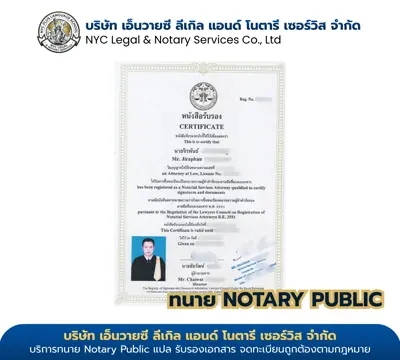
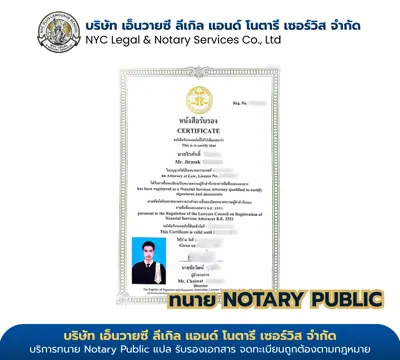
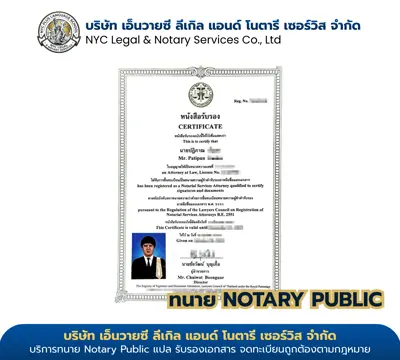
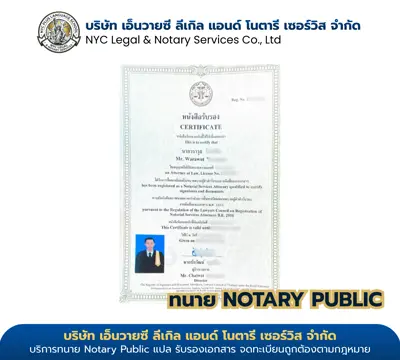
›[Notarial]How does a notarial services attorney help with trade documents?
The attorney can certify the signature of the person signing a power of attorney, an international sale contract or a statement of facts, and can certify true copies of company documents, so the document carries enough credibility for a counterparty or overseas authority to accept it. Under Lawyers Council of Thailand rules this certifies the signature and the document, not the accuracy of the commercial content.
›[Pitfalls]What causes an import or export document set to be rejected?
Most often: inconsistency between documents, using the wrong origin form, filing after an agreement's deadline, a missing regulator permit for controlled goods, a signature that does not match the company affidavit, translations that omit seals or endnotes, and foreign documents that have not completed the certification chain the destination requires.
›[Pitfalls]Why does this page not quote duty rates or fees?
Duty rates, government charges and preference conditions are set by legislation and departmental notifications and are revised from time to time by tariff line and by agreement. Quoting figures on a web page risks misleading readers, so check with the Thai Customs Department or ask our staff by phone, LINE or email for information matched to your case.
›[Pitfalls]Is this page a substitute for legal advice?
No. It gives general document and procedural information referenced to legislation and official notifications, but tariff classification, duty assessment and tax benefits are case-specific. Consult a qualified adviser and verify with the Thai Customs Department before deciding. We do not guarantee any authority's decision.