›What goes wrong most often with Long-term commercial lease agreement for overseas use in this category?
Renewal and termination clauses must be rendered clause-by-clause against the source. This is why we audit the record before any certification step: Certify a complete clause-level translation including annexes, then notarise signatures. Handled at the start, it costs one review; discovered by the receiving authority, it usually means re-issuing the record and repeating every certification after it.
›What goes wrong most often with Leasehold certificate and lease registration record in this category?
Land-office registration entries and the contract can diverge. This is why we audit the record before any certification step: Verify the latest registration entry before translating and annotate differences. Handled at the start, it costs one review; discovered by the receiving authority, it usually means re-issuing the record and repeating every certification after it.
›What goes wrong most often with Sale and transfer agreement for a commercial building in this category?
Title-deed numbers and areas must match the land register exactly. This is why we audit the record before any certification step: Reconcile deed numbers and areas with the register before issuing the certified translation. Handled at the start, it costs one review; discovered by the receiving authority, it usually means re-issuing the record and repeating every certification after it.
›What goes wrong most often with Company extract for the tenant or landlord entity for overseas filing in this category?
Director details and signing authority must come from a current extract. This is why we audit the record before any certification step: Obtain a current DBD extract before certified translation. Handled at the start, it costs one review; discovered by the receiving authority, it usually means re-issuing the record and repeating every certification after it.
›What goes wrong most often with Power of attorney to sign a lease and register on behalf in this category?
The scope must itemise each filing and identify the target property. This is why we audit the record before any certification step: Itemise filings and the property, then notarise the signature. Handled at the start, it costs one review; discovered by the receiving authority, it usually means re-issuing the record and repeating every certification after it.
›What goes wrong most often with Commercial property valuation report supporting a transaction in this category?
The report carries technical terms and tables whose layout must be preserved. This is why we audit the record before any certification step: Build a terminology table and preserve table structure in the certified translation. Handled at the start, it costs one review; discovered by the receiving authority, it usually means re-issuing the record and repeating every certification after it.
›What goes wrong most often with Building management service agreement and common-area annexes in this category?
Annexes are commonly omitted, leaving the set incomplete. This is why we audit the record before any certification step: Certify a full translation of the main agreement and every annex. Handled at the start, it costs one review; discovered by the receiving authority, it usually means re-issuing the record and repeating every certification after it.
›What goes wrong most often with Owner consent letter for fit-out or change of use in this category?
Receiving parties expect the consenting signature to be certified. This is why we audit the record before any certification step: Notarise the signature, then legalise if the destination requires it. Handled at the start, it costs one review; discovered by the receiving authority, it usually means re-issuing the record and repeating every certification after it.
›Does Department of Lands, Ministry of Interior (Thailand) accept the same format as other authorities?
Not necessarily. Department of Lands, Ministry of Interior (Thailand) publishes its own requirement, so we read it before preparing the set and match the certification chain to it. Where the requirement is silent, we prepare to the stricter of the two formats so the same set stays usable if the file is later submitted elsewhere. Reference: กรมที่ดิน.
›Does Department of Business Development, Ministry of Commerce (Thailand) accept the same format as other authorities?
Not necessarily. Department of Business Development, Ministry of Commerce (Thailand) publishes its own requirement, so we read it before preparing the set and match the certification chain to it. Where the requirement is silent, we prepare to the stricter of the two formats so the same set stays usable if the file is later submitted elsewhere. Reference: กรมพัฒนาธุรกิจการค้า.
›Does Department of Consular Affairs, Thailand accept the same format as other authorities?
Not necessarily. Department of Consular Affairs, Thailand publishes its own requirement, so we read it before preparing the set and match the certification chain to it. Where the requirement is silent, we prepare to the stricter of the two formats so the same set stays usable if the file is later submitted elsewhere. Reference: กรมการกงสุล — นิติกรณ์เอกสาร.
›Does Overseas counterparties and financial institutions accept the same format as other authorities?
Not necessarily. Overseas counterparties and financial institutions publishes its own requirement, so we read it before preparing the set and match the certification chain to it. Where the requirement is silent, we prepare to the stricter of the two formats so the same set stays usable if the file is later submitted elsewhere. Reference: HCCH — Apostille Section.
›Can I prepare everything myself?
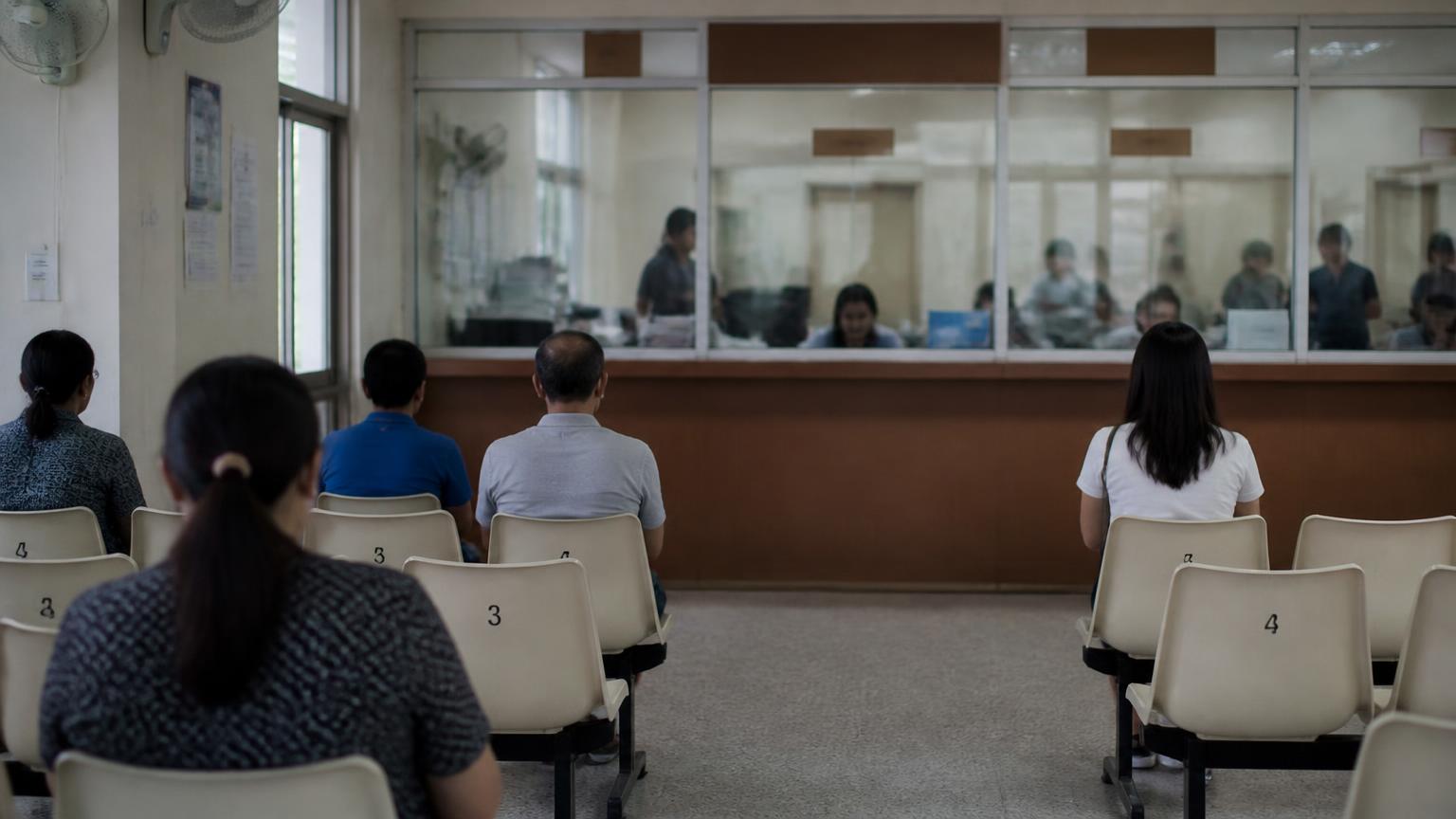
You can. The work is the sequencing: 3 steps, each at a different counter with its own opening hours, and a document accepted at one step can still be rejected at the next. If you would rather not manage that, send us the set once and our team runs the whole chain and reports at each step.
›Do you only process documents, or do you advise as well?
Both. Our team has worked on document certification for more than 15 years, and most cases are decided before the first counter visit: which record to request, which office issues it, what order the certifications go in, and whether a step is needed at all. We review your case and tell you what your file is missing before you commit to anything.
›How long does it take?
Typical working time is 1–2 business days when the contract and annexes are complete / 1–2 weeks including consular legalisation / 2–4 weeks when fresh land-office records are required / dependent on both parties' signing schedule, excluding the receiving authority's own queue, which we cannot control and never guarantee. We confirm the realistic range for your case after seeing the actual document set.