
Adoption & Cross-border Family Documents
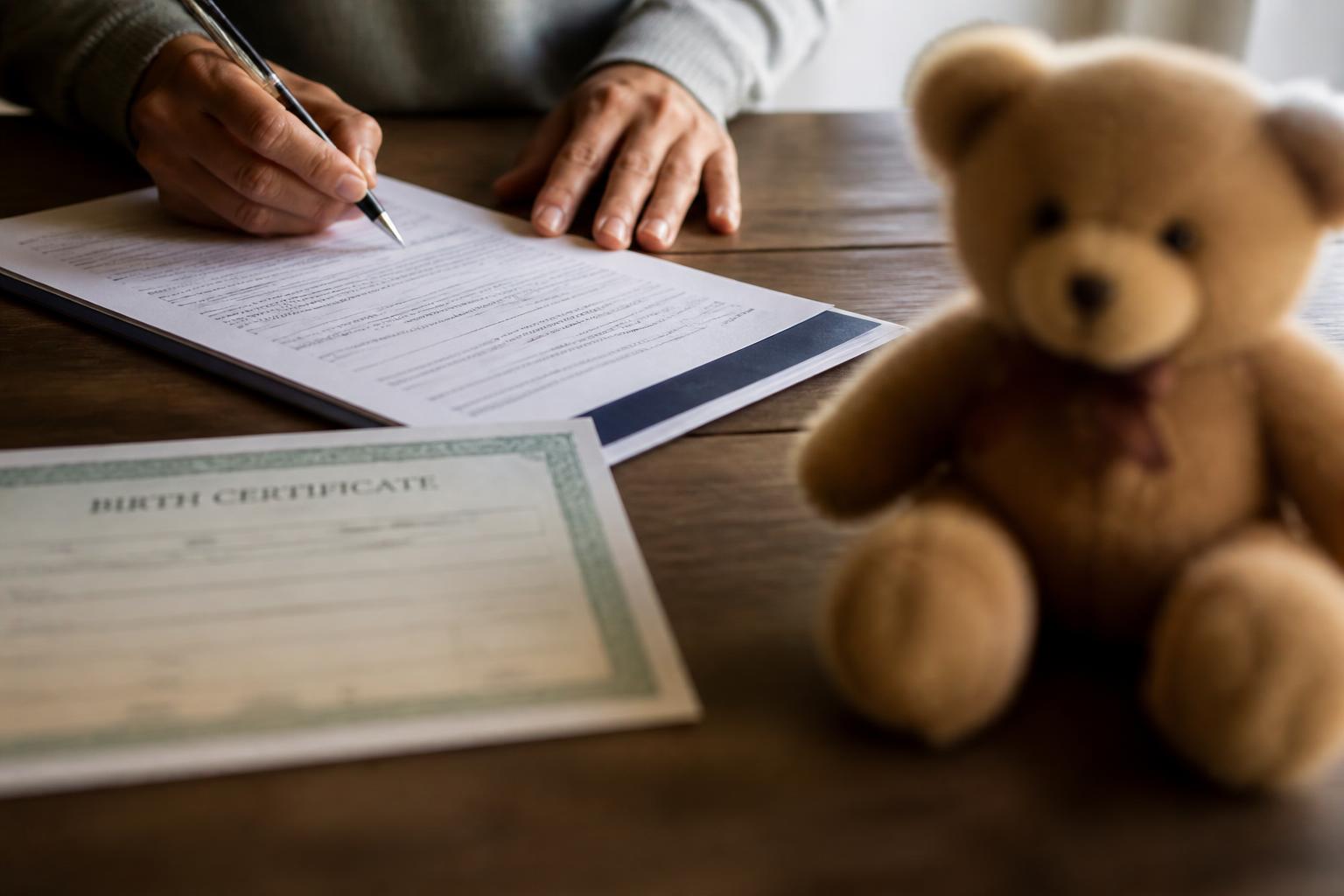
Adoption & Cross-border Family Documents in Thailand: required documents, step-by-step process, professional tips, common pitfalls and how our 15+ year consulting team handles the whole chain for you.
Documents to prepare
- ID cards and house registration of the applicants and spouse
- Marriage certificate or civil-status proof plus spousal consent
- The child's birth certificate and the birth parents' consent or a court order
- Medical certificate, proof of income and police clearance for each applicant
- Home study report where the applicant is a foreign national
Step-by-step process
- Assess eligibility and the correct route — Domestic and inter-country adoption run under different statutes and different agencies.
- Assemble both sides of the file — Applicant documents and the child's documents, with every legally required consent.
- File with the authority — Submitted to the Department of Children and Youth or the district registrar, then family assessment.
- Complete the trial period — Observe the statutory probationary custody period and report on schedule.
- Register the adoption — Registration at the district office and issue of the official adoption record.
- Translate and legalise for overseas use — Full certified set for the destination country's visa and civil-registry filings.
Common pitfalls to avoid
- Incomplete birth-parent consent halts the process immediately.
- Inter-country adoption must run through both countries' central authorities — it cannot be done privately.
- Foreign-issued applicant documents need an Apostille or Thai embassy attestation first.
- An incomplete probationary period blocks registration.
- Inconsistent income and housing evidence triggers further investigation.
Compare your options
| Option | Best for | Watch out for |
|---|---|---|
| Domestic adoption via the district registrar | Thai applicants adopting a Thai child | Family assessment and probation still apply |
| Inter-country adoption via central authorities | Applicants resident abroad or holding foreign nationality | Long timeline requiring coordination between two states |
| Legitimation or guardianship instead of adoption | Fathers seeking parental power over a child born out of wedlock | Confers fewer rights than full adoption |
Not sure which route fits your case? Send us the documents and the receiving authority's name — our consultants will confirm the correct chain before you spend time on any office visit.
Consultant tips
- Get the route confirmed first — choosing the wrong one means starting over.
- Request overseas records early; some countries take months.
- Build a bilingual file from day one so both jurisdictions can read it.
- Keep records and photographs through the probationary period as supporting evidence.
- Plan the child's visa and travel documents alongside the registration.
All Adoption & Cross-border Family Documents pages
Frequently asked questions and answers
What exactly does Adoption & Cross-border Family Documents cover?
Adoption & Cross-border Family Documents covers document preparation, translation where required, certification by the competent authority and — when the document is used abroad — legalisation through the Ministry of Foreign Affairs and the destination embassy. Our consultants confirm the exact chain for your specific document before you start.
Which documents do I need to prepare first?
ID cards and house registration of the applicants and spouse • Marriage certificate or civil-status proof plus spousal consent • The child's birth certificate and the birth parents' consent or a court order • Medical certificate, proof of income and police clearance for each applicant • Home study report where the applicant is a foreign national
How long does the whole process take?
In-office certification is usually same-day. Ministry legalisation and embassy steps depend on each authority's queue, so we give a written timeline per case after reviewing your documents.
Can you handle everything for me?
Yes. This is the option most clients choose: you send the documents, our consulting team maps the requirements, prepares, certifies, files and delivers, and we stay available if the receiving authority asks for anything more.
Any tips that make the process faster?
Get the route confirmed first — choosing the wrong one means starting over. • Request overseas records early; some countries take months. • Build a bilingual file from day one so both jurisdictions can read it. • Keep records and photographs through the probationary period as supporting evidence. • Plan the child's visa and travel documents alongside the registration.
How much does it cost?
Fees depend on document type, language and the authorities involved. Contact our team via phone, LINE or email for a written quotation before any work starts.
Are you only a filing agency?
No. With 15+ years of practice we act as consultants first: we advise on which route is valid, what the receiving body will accept, and which steps you can safely skip — then execute the work for you.
What happens if the authority rejects a document?
We pre-check against the destination checklist to avoid it. If a rejection still happens on work we handled, we correct and refile it as part of the same engagement.
Do you serve clients outside Bangkok or overseas?
Yes — nationwide in Thailand and for Thai nationals and foreign nationals abroad, using couriered originals and digital pre-checks.
Go deeper on Adoption & Cross-border Family Documents
Two reference libraries our consultants maintain for this service: a long-form question bank and technical case notes drawn from real document chains (anonymised, no personal data).
Prefer not to handle this yourself?
Our consulting team has advised on document chains for over 15 years. Send your documents and we handle preparation, certification, filing and delivery end to end — and advise you at every decision point.
Talk to a consultant