›What goes wrong most often with House registration and ID card for a visitor visa in this category?
Receiving authorities require translations matching the passport spelling. This is why we audit the record before any certification step: Anchor the spelling to the passport and attach a name-equivalence table. Handled at the start, it costs one review; discovered by the receiving authority, it usually means re-issuing the record and repeating every certification after it.
›What goes wrong most often with Employment letter and payslips for a family visit visa in this category?
Gaps in the financial record trigger requests for further evidence. This is why we audit the record before any certification step: Assemble a continuous financial record across the destination's required period. Handled at the start, it costs one review; discovered by the receiving authority, it usually means re-issuing the record and repeating every certification after it.
›What goes wrong most often with Relationship evidence for a partner visa in this category?
Scattered evidence makes the relationship timeline unclear. This is why we audit the record before any certification step: Order evidence chronologically and certify translations of the items the authority can rely on. Handled at the start, it costs one review; discovered by the receiving authority, it usually means re-issuing the record and repeating every certification after it.
›What goes wrong most often with Academic records and transcripts for a student visa in this category?
Destination institutions prescribe different certification formats. This is why we audit the record before any certification step: Confirm the institution's rule before translating and align the certification chain. Handled at the start, it costs one review; discovered by the receiving authority, it usually means re-issuing the record and repeating every certification after it.
›What goes wrong most often with Consent to travel for a minor with guardian documents in this category?
Both guardians' signatures and signature certification are required. This is why we audit the record before any certification step: Arrange signature certification by an authorised officer and attach relationship evidence. Handled at the start, it costs one review; discovered by the receiving authority, it usually means re-issuing the record and repeating every certification after it.
›What goes wrong most often with Financial statements and bank certification for a work visa in this category?
Bank certifications carry a limited validity window in many destinations. This is why we audit the record before any certification step: Sequence issuance as close to lodgement as the rules allow. Handled at the start, it costs one review; discovered by the receiving authority, it usually means re-issuing the record and repeating every certification after it.
›What goes wrong most often with Marriage certificate and name-change records for a residency application in this category?
Legacy documents carry a name that no longer matches the current one. This is why we audit the record before any certification step: Attach the complete name-change chain with certified translations. Handled at the start, it costs one review; discovered by the receiving authority, it usually means re-issuing the record and repeating every certification after it.
›What goes wrong most often with Company certificate and invitation letter for a business visa in this category?
The company seal or signing authority evidence is incomplete. This is why we audit the record before any certification step: Verify signing authority against the latest company certificate before issuing the invitation. Handled at the start, it costs one review; discovered by the receiving authority, it usually means re-issuing the record and repeating every certification after it.
›Does Australian Department of Home Affairs accept the same format as other authorities?
Not necessarily. Australian Department of Home Affairs publishes its own requirement, so we read it before preparing the set and match the certification chain to it. Where the requirement is silent, we prepare to the stricter of the two formats so the same set stays usable if the file is later submitted elsewhere. Reference: Home Affairs — Visa documents.
›Does UK Visas and Immigration accept the same format as other authorities?
Not necessarily. UK Visas and Immigration publishes its own requirement, so we read it before preparing the set and match the certification chain to it. Where the requirement is silent, we prepare to the stricter of the two formats so the same set stays usable if the file is later submitted elsewhere. Reference: UKVI — Visa guidance.
›Does Immigration New Zealand accept the same format as other authorities?
Not necessarily. Immigration New Zealand publishes its own requirement, so we read it before preparing the set and match the certification chain to it. Where the requirement is silent, we prepare to the stricter of the two formats so the same set stays usable if the file is later submitted elsewhere. Reference: Immigration New Zealand.
›Does Immigration, Refugees and Citizenship Canada accept the same format as other authorities?
Not necessarily. Immigration, Refugees and Citizenship Canada publishes its own requirement, so we read it before preparing the set and match the certification chain to it. Where the requirement is silent, we prepare to the stricter of the two formats so the same set stays usable if the file is later submitted elsewhere. Reference: IRCC — Application guides.
›Can I prepare everything myself?
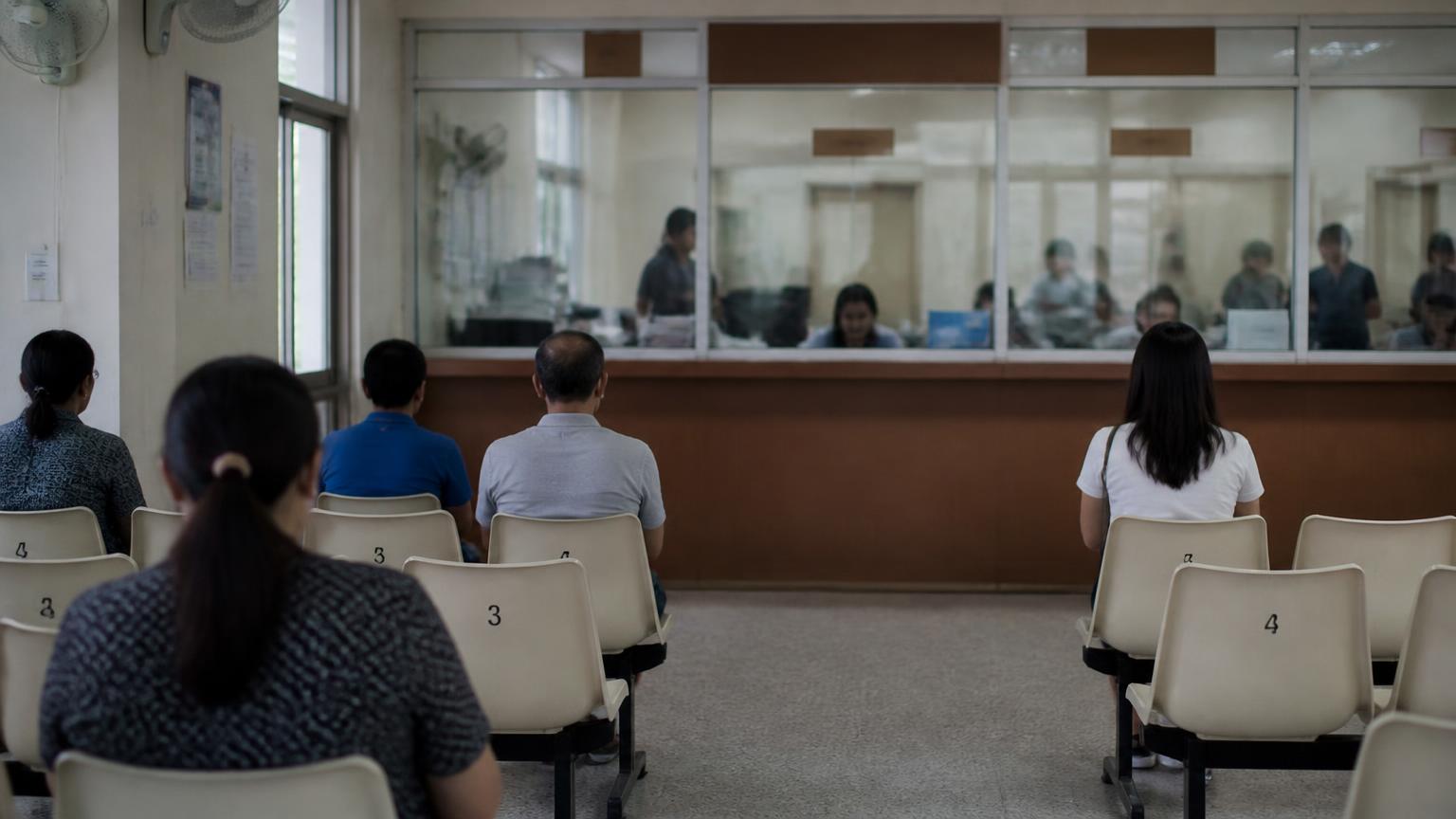
You can. The work is the sequencing: 5 steps, each at a different counter with its own opening hours, and a document accepted at one step can still be rejected at the next. If you would rather not manage that, send us the set once and our team runs the whole chain and reports at each step.
›Do you only process documents, or do you advise as well?
Both. Our team has worked on document certification for more than 15 years, and most cases are decided before the first counter visit: which record to request, which office issues it, what order the certifications go in, and whether a step is needed at all. We review your case and tell you what your file is missing before you commit to anything.
›How long does it take?
Typical working time is about 3–5 working days for a certified translation set / 1–2 weeks including collection of source documents / 2–3 weeks including consular legalisation / 3–4 weeks including the destination embassy step, excluding the receiving authority's own queue, which we cannot control and never guarantee. We confirm the realistic range for your case after seeing the actual document set.